Drain Care
How to Prevent Clogged Drains in Your Riverside County Home
Clogged drains are a frustrating reality for many homeowners. From a slow-draining shower to a backed-up kitchen sink, blockages disrupt daily routines and can escalate into messy, expensive emergencies. The good news is that most clogs are entirely preventable. By adopting a few simple habits and understanding what should and should not go down your drains, residents across Riverside County can maintain clear pipes and reduce the need for emergency plumbing calls.
The Kitchen Sink: Your Biggest Risk
The kitchen sink is the most common source of household clogs, primarily because of how cooking grease and food waste are handled. The most effective preventive measure is keeping fats, oils, and grease (FOG) out of the plumbing entirely. When hot grease enters the drain, it cools and solidifies inside the pipe, trapping food particles and eventually creating a stubborn blockage. Pour excess grease into a disposable container, let it solidify, and throw it in the trash. Wipe greasy pans with a paper towel before washing.
Garbage disposals are designed for soft, biodegradable food scraps — not fibrous vegetables like celery, starchy items like pasta or potato peels, or gritty materials like coffee grounds and eggshells. Run cold water before, during, and after using the disposal to help flush ground waste through the system. A mesh drain strainer in sinks without a disposal is an inexpensive and highly effective way to catch debris before it reaches the pipe.
Bathroom Drains: Hair and Soap Scum
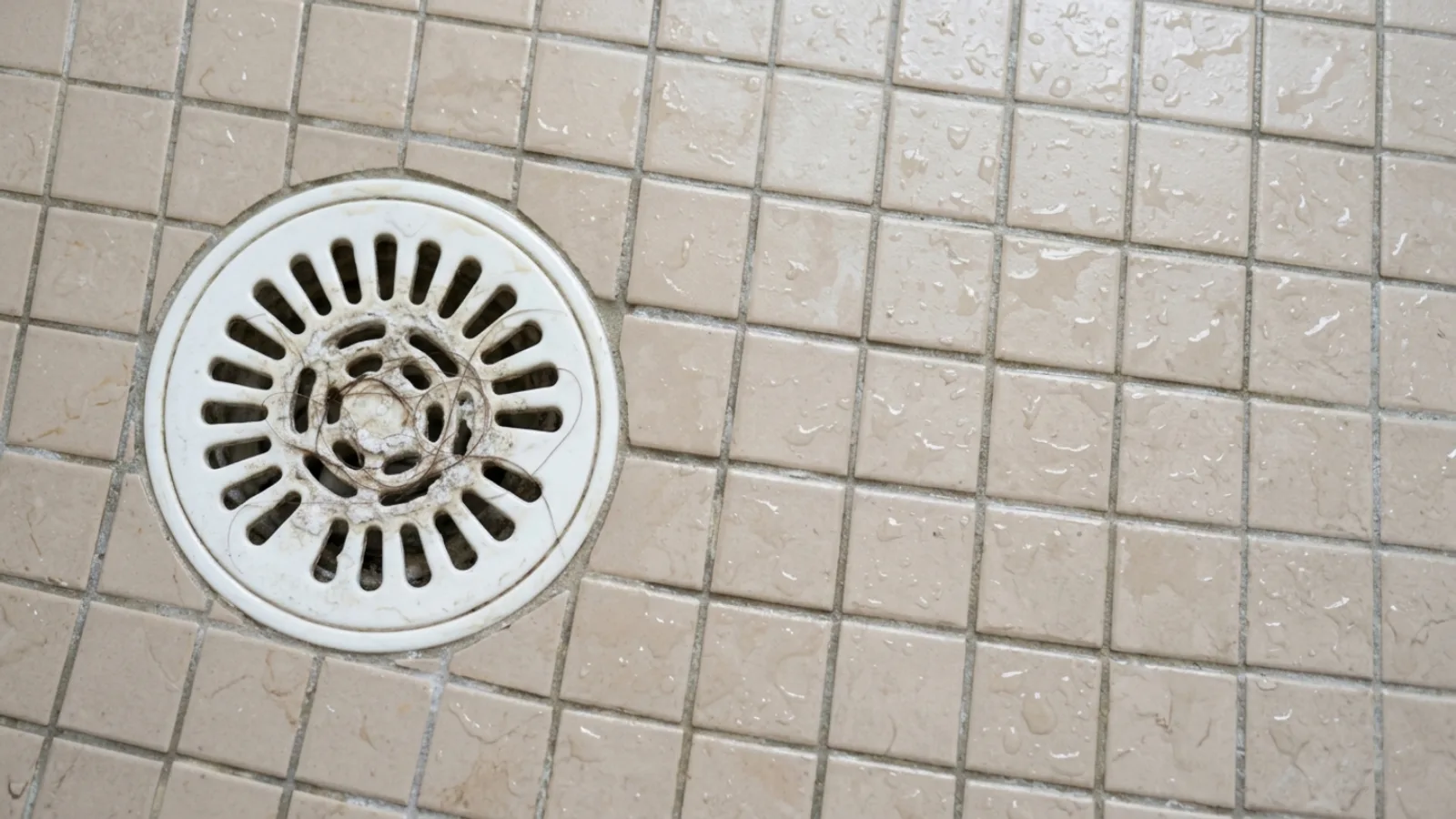
In the bathroom, hair and soap scum are the primary culprits behind slow drains. As hair washes down the shower or tub drain, it snags on the drain cover or pipe interior and forms a dense mat. Soap scum binds with hair and makes the clog even more stubborn. A simple hair catcher or screen over the shower and tub drains — cleaned after each use — is one of the most effective prevention tools available.
For bathroom sinks, the pop-up stopper can accumulate toothpaste, shaving cream, and hair just below the drain opening. Lifting the stopper and wiping it clean weekly keeps water moving freely. Riverside County is known for hard water in communities like Temecula, Murrieta, and Menifee — minerals combine with soap to form scum that coats pipes and makes debris stick more easily. Regular hot-water flushes help reduce mineral buildup.
Toilets and Laundry: Know What Not to Flush
Toilets are designed to handle only human waste and toilet paper. Products marketed as "flushable" wipes, feminine hygiene products, paper towels, and cotton swabs do not break down like toilet paper and routinely create severe blockages that require professional intervention. Keep a small wastebasket next to every toilet to encourage proper disposal.
Laundry areas deserve attention too. Lint and fabric threads wash out of clothing and collect in the standpipe or trap for the washing machine. A mesh lint trap attached to the discharge hose can significantly reduce buildup. If the standpipe gurgles or overflows during a wash cycle, the drain is restricted and should be inspected. For homes with sewer and septic systems, keeping debris out of laundry drains also protects the tank from unnecessary solid load.
When Clogs Still Happen
Even with careful habits, clogs occur. Small, localized blockages can sometimes be cleared with a plunger or hand auger. For tougher buildups caused by grease, tree roots, or mineral scale, hydro-jetting is one of the most effective non-invasive methods for removing interior pipe deposits. If a fixture continues to clog or sewer odors persist, a video sewer inspection pinpoints the problem and guides the right repair approach.
Avoid chemical drain cleaners for recurring clogs. Repeated use can soften PVC, accelerate corrosion in older metal pipes, and harm septic systems. Enzyme-based cleaners are a gentler alternative for organic buildup between professional services.
The EPA’s Septic System Guide also notes that what goes down the drain directly affects system health and longevity — a reminder that drain habits matter far beyond just keeping pipes clear.
Professional Drain Care Across Riverside County
When routine care is not enough, Gardner Plumbing Co. offers professional drain cleaning for homes in Temecula, Murrieta, Menifee, Hemet, and throughout Riverside County. City-specific service is available in Murrieta, Temecula, and Lake Elsinore. Gardner Plumbing Co. is licensed under CSLB #1073177 and has served the region for 30+ years with upfront flat-rate pricing and a 30-day callback guarantee.
Need a drain cleared or a preventive inspection? Call (951) 246-4337 — no trip fees, no obligation. Gardner Plumbing Co. serves Murrieta, Temecula, Menifee, Hemet, Perris, and 20+ additional cities across Riverside County.
Prevention Is the Best Drain Service
Healthy drains start with daily habits: keep FOG out of the kitchen sink, use hair catchers in the shower, flush only toilet paper, and schedule a professional cleaning at the first sign of slow flow. When prevention isn’t enough, Gardner Plumbing Co. brings the tools and expertise to clear the line and document exactly what caused the problem — so it doesn’t come back.