Leak Detection
Slab Leaks: Causes, Detection, and Repair Options for Riverside County Homes
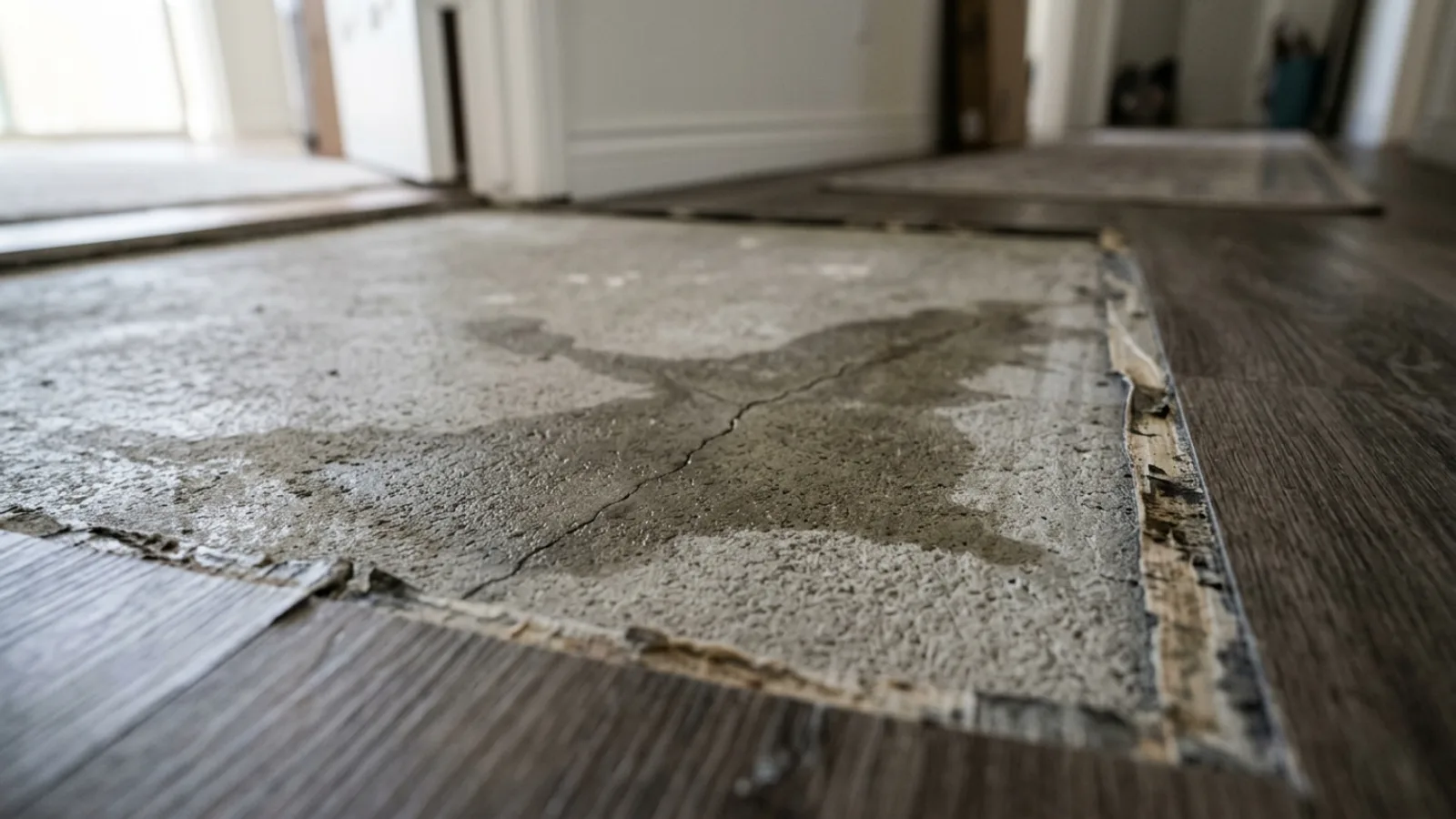
The majority of homes in Riverside County — in Temecula, Murrieta, Menifee, Lake Elsinore, Hemet, Corona, and the surrounding communities — are built on concrete slab foundations. This construction style is well-suited to Southern California's soil and climate, but it creates a specific plumbing vulnerability: the water supply and drain lines often run beneath or through that concrete, and when one of those buried pipes develops a leak, the result is a slab leak. Slab leaks can go undetected for months, silently damaging floors, corroding the foundation, and creating conditions for mold growth before any visible symptom appears. Understanding what causes them, how to recognize the early signs, and what repair options are available is essential knowledge for any homeowner in the region.
What Causes Slab Leaks
The most common cause is pipe corrosion over time. Copper supply lines — standard in homes built through the 1980s and 1990s across Riverside County — can develop pinhole leaks when hard water chemistry, stray electrical currents in the soil, or concrete alkalinity accelerate the corrosion process. Riverside County water runs 12–20 grains per gallon of hardness, and that mineral load stresses copper from the inside. Soil movement is another significant factor: drought cycles, seismic activity, and irrigation-driven soil expansion and contraction can flex buried pipes until a weak point gives way. Pipes that were not properly sleeved where they pass through concrete may also rub against the slab and wear thin gradually. High water pressure — common in areas of Riverside County where municipal supply exceeds the 50–80 PSI residential range — accelerates wear on all buried fittings and joints.
Signs of a Slab Leak
Because the pipe is hidden under concrete, the early signs of a slab leak are indirect. The most reliable early indicator is an unexplained jump in the monthly water bill without any change in usage. A hot water line leak may cause the water heater to cycle more frequently than normal, or create a warm spot on the floor directly above the leak. Homeowners sometimes hear a faint hissing or running-water sound when all fixtures are off — a pressurized leak audible through the slab. Physical changes include damp carpet or warped hardwood flooring, soft or crumbling baseboards along exterior walls, efflorescence (a white chalky deposit) at the slab edge, and hairline cracks in tile grout widening over time. Outside, unexplained pooling near the foundation or an unusually green patch of grass directly above a buried supply line can also indicate a slab leak.
A simple meter test provides useful confirmation: shut off all fixtures and irrigation, then watch the meter's low-flow indicator for movement. If it moves with everything closed, water is escaping. To narrow the location to hot versus cold, shut off the cold supply to the water heater and repeat the test — if the indicator stops, the leak is on the hot water side. For a comprehensive look at how to interpret meter readings and other hidden leak signals, see our guide on signs of a hidden water leak in Riverside County.
Professional Detection Technology
When a slab leak is suspected, professional intervention is the right next step. Licensed plumbers use several non-invasive tools to locate the exact leak position before any concrete is cut. Acoustic listening devices amplify the sound of pressurized water escaping the pipe and allow a technician to trace the noise to a specific floor location. Thermal imaging cameras detect temperature differences — a hot water leak beneath a slab shows as a warm area on the floor surface that is invisible to the naked eye. Electronic leak locating traces the path of buried pipes using signal transmission and pinpoints the leak with precision. Combining these tools allows for a targeted repair that minimizes concrete cutting and floor disruption. Gardner Plumbing Co. documents findings with photos and video so homeowners see exactly what the technician identifies before any repair option is discussed. The leak detection service team uses all three methods as the situation warrants.
Repair Options and Tradeoffs
Once the leak is located, homeowners are typically presented with four repair approaches — each with distinct tradeoffs in cost, disruption, and long-term reliability:
- Direct spot repair: The slab is opened at the exact leak location, the damaged pipe section is replaced, and concrete and flooring are restored. Best for a single isolated leak in a system that is otherwise in good condition. Requires flooring restoration and some disruption to finished surfaces.
- Pipe rerouting: The under-slab run is abandoned and a new supply line is routed through walls, ceilings, or the attic — typically using flexible PEX tubing. Avoids breaking the slab, minimizes floor disruption, and provides long-term reliability with a modern pipe material. May require access through interior walls or ceiling spaces.
- Trenchless pipe lining (epoxy lining): A resin liner is installed inside the existing pipe, creating a new inner surface without excavation. Appropriate where the pipe is intact enough to accept the liner and local code allows the method. Lower disruption, but not suitable for severely corroded or collapsed sections.
- Whole-home repipe: When multiple leaks have occurred or copper is in poor condition throughout the home, replacing all under-slab runs and interior supply lines eliminates the cycle of recurring spot repairs. Higher upfront investment, but provides decades of reliability and eliminates ongoing leak risk.
Gardner Plumbing Co. presents all applicable options with pros, cons, and a professional recommendation based on the leak location, pipe condition, number of prior leaks, and the home's layout. Flat-rate pricing is provided before any work begins, and financing is available for qualifying projects. For homes that have experienced multiple slab leaks, reviewing repiping options alongside leak detection is often the most cost-effective long-term path.
Prevention and Monitoring
Several steps reduce slab leak risk over time. Keeping home water pressure in the 55–75 PSI range with a properly functioning PRV reduces stress on buried pipe fittings. A whole-house water softener or filtration system lowers the mineral load on copper lines, slowing the corrosion process. Ensuring hot water recirculation pumps run on timers rather than continuously reduces the thermal cycling that stresses under-slab lines. After any seismic event, watching for new signs of warm floors or unexplained water bill increases is a prudent precaution. For real-time protection, smart water monitoring systems like Moen Flo detect abnormal flow patterns — including the slow, steady loss that a slab leak produces — and can automatically shut off water supply before damage spreads. According to the EPA's Fix a Leak Week program, household leaks waste nearly one trillion gallons of water annually in the United States — slab leaks are among the most costly and least visible contributors to that figure. Gardner Plumbing Co. (CSLB #1073177) has served Riverside County for 30+ years and provides comprehensive slab leak detection, repair, and repipe services across Temecula, Murrieta, Menifee, and the wider region.
Suspect a slab leak? Call (951) 246-4337 — no trip fees, no obligation. Gardner Plumbing Co. uses acoustic, thermal, and electronic detection to locate leaks non-invasively across Riverside County and neighboring communities.
Act Early — The Cost of Waiting Goes Up Every Day
A slab leak that runs undetected for three months can saturate a concrete foundation, warp hardwood flooring, and create the humidity conditions that fuel mold behind baseboards. Many homeowners who call about slab leaks have already seen the water bill spike for two or three billing cycles before making the call. Early detection is always less expensive than late detection. If any of the warning signs described above are present, the right move is a professional leak detection inspection — not a wait-and-see approach.