Seasonal
Summer Plumbing Tips: Keeping Systems Running in the Heat
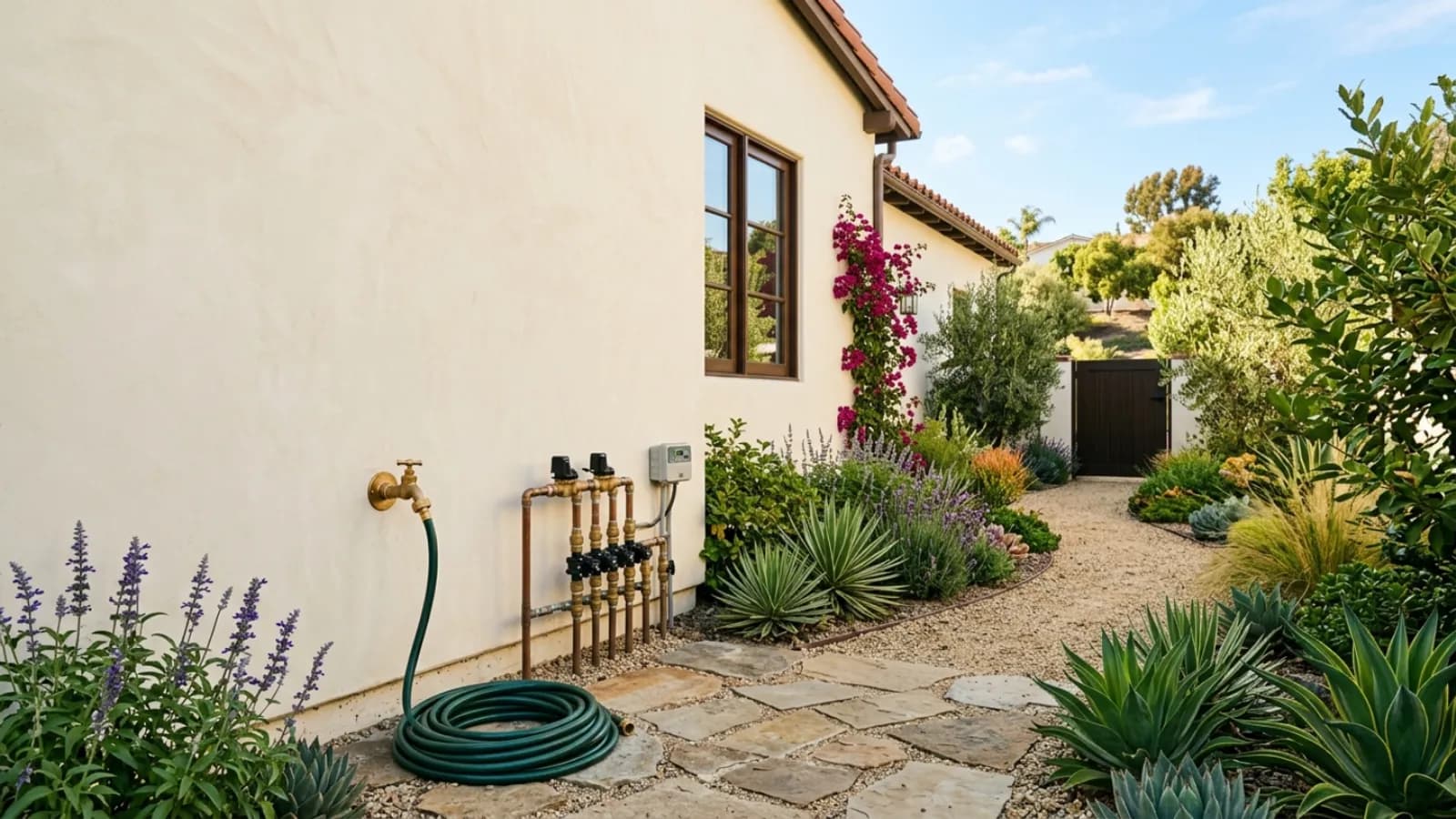
Riverside County summers are among the most demanding in California. Temperatures regularly exceed 100°F in communities like Temecula, Murrieta, Menifee, Hemet, and Perris, and that extreme heat affects more than air conditioning — it puts measurable stress on your home’s plumbing system. Supply lines expand, irrigation systems run overtime, and fixtures that held up through winter can suddenly start leaking when thermal stress accumulates. A little preparation before peak season can prevent a lot of expensive surprises.
Heat Expansion on Supply Lines and Flex Connectors
Plastic and copper supply lines expand when temperatures rise. In attics, garages, and crawl spaces where lines run uninsulated, the temperature swing between a cool night and a 105°F afternoon can be dramatic. This repeated expansion and contraction — known as thermal cycling — accelerates wear on fittings, joints, and flex connectors. Braided stainless steel flex connectors under sinks and behind toilets are particularly vulnerable; inspect them for bulging, fraying, or moisture at the ends every summer. Replacing a worn flex connector costs a fraction of what a slow leak behind a cabinet can cause in water damage.
Homes that have not had a recent professional leak detection inspection should schedule one before summer peaks. Non-invasive tools including acoustic sensors and thermal imaging can identify stress points before they fail.
Hose Bib Maintenance and Outdoor Lines
Outdoor hose bibs take a beating in summer. Rubber hose washers degrade faster in intense heat, leading to steady drips that go unnoticed for weeks. The desert sun also cracks vacuum breakers on anti-siphon hose bibs, sometimes causing them to weep water continuously down an exterior wall. Before the heavy watering season, disconnect all hoses, check each bib for drips, and replace worn washers or vacuum breakers as needed. A single dripping hose bib can waste hundreds of gallons per month.
Check your main water shutoff valve as part of summer prep too. Turn it off, confirm flow stops at an interior tap, and turn it back on. If the valve is stiff, corroded, or fails to fully stop the flow, have it evaluated. A stuck shutoff valve during a plumbing emergency can turn a minor leak into serious water damage. Our guide on locating and using your main shutoff walks through the full process.
Irrigation Timing, Water Waste, and Sprinkler Leaks
Summer irrigation schedules are the single largest source of preventable water waste for most Riverside County homeowners. Many controllers are programmed for peak summer demand and left running on that schedule well into fall. Beyond wasted water, poorly timed irrigation overwatering also puts excess moisture into the soil near the foundation, which can stress slab-to-pipe connections over time.
Walk your irrigation zones while the system runs. Look for broken or tilted sprinkler heads, spray patterns hitting sidewalks or driveways instead of planting areas, and zones that drain slowly after the cycle ends (a sign of check-valve failure). An underground irrigation line that cracks during summer freeze-thaw cycles in other climates can also develop cracks here from soil movement. If one zone runs significantly higher on your water meter than others, a line inspection is warranted.
The EPA’s WaterSense program for irrigation controllers offers guidance on scheduling adjustments that can reduce outdoor water use by as much as 15 percent without harming landscaping.
Water Heater Vacation Mode and Hot-Tap Flushing
If you are leaving for a vacation, set a tank water heater to "vacation" or "pilot" mode. This prevents the unit from maintaining full temperature on an empty home, saving energy and reducing thermal stress on the tank. For electric water heaters, switch off the breaker at the panel. If you have a tankless unit, follow the manufacturer’s steps to put it in standby mode.
When you return — or any time the home has been vacant for more than a week — flush the hot water lines before drinking from the tap. Let the hot side run at a distant fixture for 30 to 60 seconds to clear any stagnant water that accumulated in the lines. Stagnant hot water in long pipe runs can develop elevated mineral concentrations and, in rare cases, Legionella bacteria if the temperature drops into the growth range (77°–113°F). The water heater service team at Gardner Plumbing Co. can check temperature settings and anode rod condition as part of a summer inspection.
Pool Lines, Crawl Spaces, and Humid Spots
Homes with pools should check the pool plumbing and automatic fill valve each summer. An auto-fill valve that runs frequently or never shuts off points to a shell or line leak. Pools lose some water to evaporation in Inland Empire heat, but a bucket test (mark the water level inside the pool and inside a bucket of pool water set on a step; check after 24 hours) can confirm whether evaporation alone explains the drop.
Crawl spaces and enclosed utility areas can develop humidity problems in summer, especially when cold water lines sweat against warm humid air. Moisture in these spaces encourages mold and accelerates corrosion on older pipe materials. A quick visual check — or a professional moisture meter reading — before summer peaks can catch a developing problem early. If you notice any soft drywall, musty smells, or warm spots on floors that cannot be explained by sun exposure, call for a professional leak detection inspection before the problem grows.
Summer Prep Is an Investment, Not an Expense
A few hours spent on summer plumbing prep — inspecting flex connectors, testing the shutoff valve, checking hose bibs, walking irrigation zones, setting the water heater for vacation — can prevent the most common summer plumbing failures. Gardner Plumbing Co. is licensed under CSLB #1073177, has served Riverside County for 30+ years, and offers annual maintenance plans that include a full system check timed around seasonal needs. Flat-rate pricing and a 30-day callback guarantee apply to every service call.
Ready for a summer plumbing check? Call (951) 246-4337 — no trip fees, no obligation. Gardner Plumbing Co. serves Murrieta, Temecula, Menifee, Lake Elsinore, Hemet, and 20+ additional cities across Riverside County.
Beat the Heat Before It Beats Your Plumbing
Inland Empire summers are predictable in their intensity. Your plumbing prep should be equally predictable. Running a seasonal checklist before temperatures peak is the most cost-effective way to ensure your home’s water supply, irrigation system, and fixtures make it through the hottest months without incident.