Water Damage Prevention
Sump Pump Basics: What Homeowners Need to Know
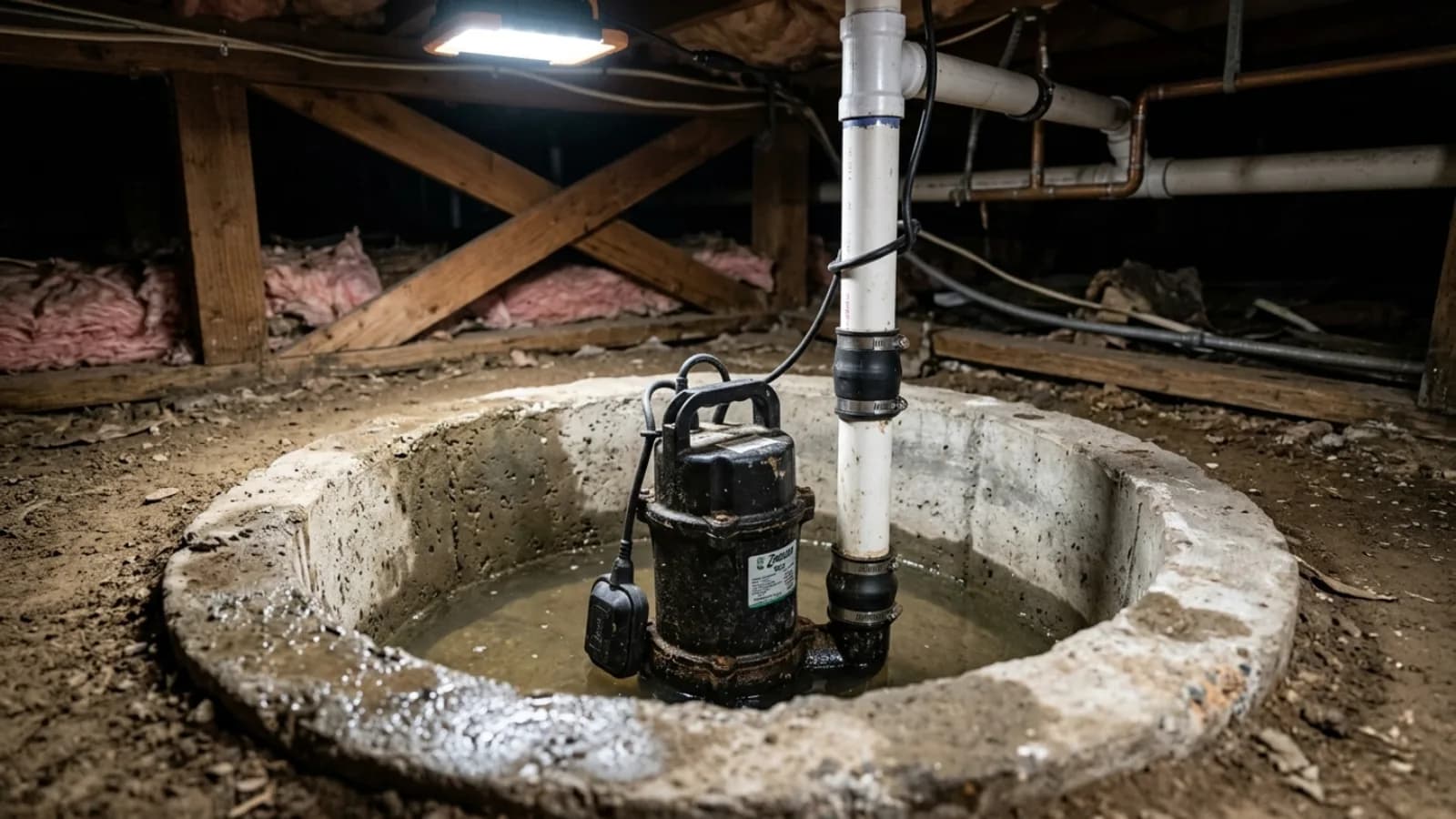
Southern California is known for its sunshine, but heavy rains and unexpected storms do occur — and when they do, homes with basements or low-lying crawl spaces can face real flooding risk. For homeowners in Riverside County who have these vulnerable areas, a sump pump is a critical line of defense. Understanding how the system works, how to maintain it, and what to do when it fails helps keep this essential device ready when the weather turns severe.
How a Sump Pump Works
A sump pump is a small, motorized pump installed in a specially constructed pit — called a sump basin — at the lowest point of a basement or crawl space. As groundwater levels rise or heavy rain seeps into the soil, water flows naturally into the pit. When the water reaches a set level, it triggers a float switch that activates the pump. The pump then pushes water through a discharge pipe and directs it away from the home’s foundation. Without a functioning sump pump, that water has nowhere to go except into the structure itself.
There are two primary types. A submersible pump rests entirely underwater in the basin. Because the motor is submerged, it operates more quietly and is cooled by the surrounding water, making it durable and popular for most home installations. A pedestal pump has a motor mounted on a shaft above the basin while only the pump head sits in the water — useful for smaller pits where a submersible unit would not fit, and easier to access for service.
Beyond type, sizing matters. Pumps are rated by horsepower and by gallons per hour moved at a given head height (the vertical lift from the basin to the discharge point). A typical home setup uses a 1/3 or 1/2 horsepower pump, but the right choice depends on basin size, typical water volume, and discharge line length and height. Cast-iron housings manage heat well and last longer; thermoplastic models are lighter and resist corrosion.
The Check Valve and Float Switch
Two small components determine whether the pump cycles correctly. A check valve on the discharge line prevents pumped water from flowing back into the basin when the pump shuts off. Without a working check valve, water returns to the basin and causes rapid on-off cycling that wears out the motor prematurely. Some setups include a small air relief hole in the discharge line to reduce airlock — a condition where trapped air prevents the pump from moving water effectively.
Float switches trigger the pump when water reaches the set level. Tethered float switches work well in wider basins but can get pinned against the wall in tight spaces. Vertical float switches are a better fit for narrow basins. Electronic sensor switches can fit where tethered floats cannot and are worth considering in smaller-than-standard pits. If the pump short-cycles (turns on and off rapidly), the float switch or check valve is usually the cause.
Routine Maintenance
Because a sump pump may sit idle for months during Riverside County’s dry season, testing it before the rainy period is essential. Pour a bucket of water slowly into the basin until the float switch rises and activates the pump. The pump should remove the water and shut off automatically. If it does not activate, runs without moving water, or cycles on and off rapidly, it needs attention. Gardner Plumbing Co. technicians can check the float, impeller, check valve, and wiring during a service visit and document findings with photos and video.
Keep the sump basin clean. Debris, dirt, and small rocks wash in over time and can clog the intake screen or jam the float. Remove visible debris, wipe the float, and confirm the impeller spins freely. Discharge pipes should direct water well away from the foundation — extensions and splash blocks help spread outflow so it does not flow back toward the house. In Riverside County, discharge should route to a landscaped area or approved drainage outlet, never into a sanitary sewer line, which can cause sewer backups and may violate local codes. For more on preventing water damage from hidden leaks alongside flooding risk, see our guide on signs of a hidden water leak in Riverside County.
Battery Backup and Smart Monitoring
Power outages often accompany the same storms that drive the most water into a sump basin. A standard pump relies entirely on household electrical supply and goes down with the power. A battery backup pump sits beside the primary pump, has its own float switch, and runs on a deep-cycle battery when the power fails or the main pump cannot keep up. Models with a charger and status alarm alert the household when the battery needs attention. This is one of the most valuable upgrades for any home with a sump system.
Smart monitoring adds another layer. Products such as Moen Flo provide real-time water monitoring and can automatically shut off the supply if a major leak or sudden flow increase is detected elsewhere in the home. Gardner Plumbing Co. can integrate smart monitoring with sump and plumbing systems and show homeowners how alerts and automatic shutoff work — useful protection for any household that travels frequently or owns a secondary property. The Ready.gov water emergency guidance recommends planning for water events before they occur as a fundamental household preparedness step.
Signs the Pump Is Struggling
Knowing the warning signs helps prevent surprise failures:
- Unusual grinding or rattling — points to a damaged impeller or debris in the pump
- Frequent short cycling — check valve leaking back, obstructed float, or undersized basin
- Pump runs but does not move water — possible airlock, clog, or blocked/frozen discharge line
- Visible rust, corrosion on terminals, or musty odor — moisture issues or a failing seal
- Vibration causing the pump to tilt — float can stick when the unit shifts position
Good installation practices significantly extend pump life. A properly sized perforated basin with a tight-fitting lid keeps out debris, reduces humidity, and improves safety for children and pets. The pump should have a dedicated GFCI-protected electrical outlet. On hillside lots and in crawl spaces common in Riverside County, directing discharge downslope to a safe area protects the foundation and keeps moisture out of framing and insulation. If flooding occurs despite a working sump system, Gardner Plumbing Co.'s water damage services address structural moisture and help document findings for insurance purposes. For situations that require immediate response, emergency plumbing service is available throughout Riverside County.
Sump pump service, battery backup installation, or smart monitoring? Call (951) 246-4337 — no trip fees, no obligation. Gardner Plumbing Co. (CSLB #1073177) serves Temecula, Murrieta, Menifee, Lake Elsinore, Hemet, Corona, and 20+ additional cities across Riverside County.
Ready Before It Rains
A sump pump that has not been tested since last year’s rainy season is not a dependable defense. Testing before the wet season, cleaning the basin, confirming the check valve is working, and adding battery backup if you do not already have it — these steps together represent a few hundred dollars of maintenance that protects against tens of thousands of dollars in flood damage. Gardner Plumbing Co. provides sump pump installation, maintenance, battery backup setup, and smart monitoring integration throughout Riverside County with flat-rate pricing and a 30-Day Callback Guarantee.