Remodeling
Bathroom Remodel Plumbing Considerations Every Homeowner Should Know
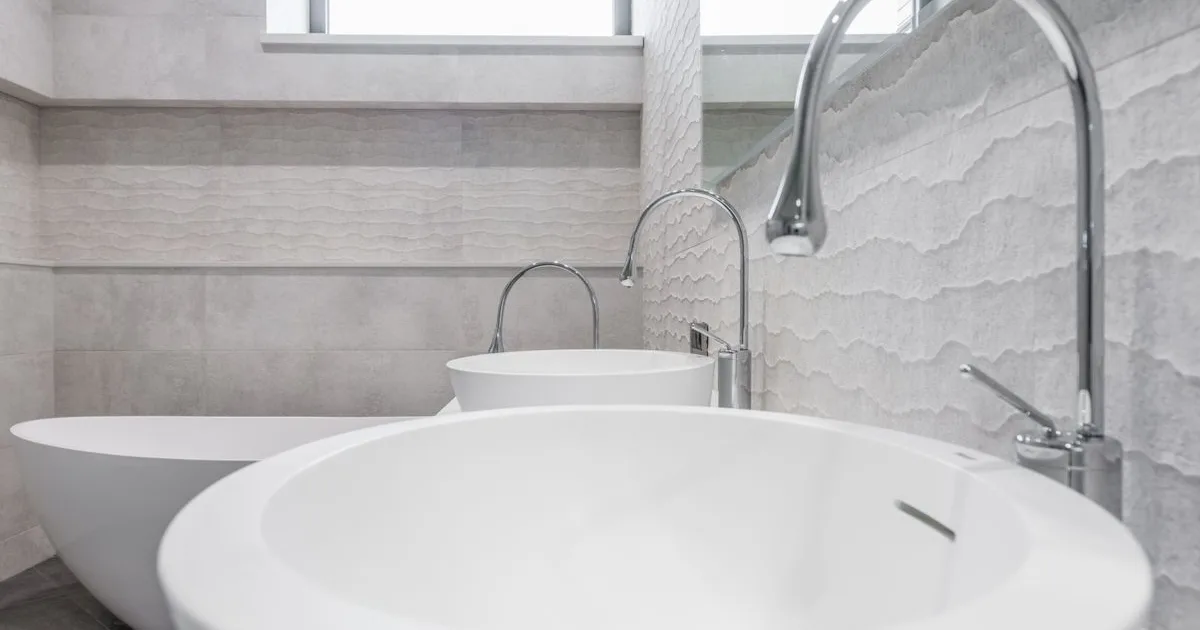
A bathroom remodel is one of the most rewarding home improvement projects a Riverside County homeowner can undertake. Cabinets, tile, and fixtures get most of the attention in the planning phase — but the decisions that determine whether the finished bathroom is truly reliable happen behind the walls, under the floor, and in the rough-in work long before the first decorative surface is installed. Getting those decisions right from the start saves money, prevents costly mid-project changes, and results in a bathroom that functions as well as it looks for decades.
Layout: What Moves and What Stays
The most consequential early decision in any bathroom remodel is whether to move fixtures. Keeping the toilet, shower, and sink in their existing locations allows the project to proceed with far less disruption and cost. Moving a toilet, however, typically requires relocating a large waste line, shifting the toilet flange, extending a vent stack, and possibly cutting through the floor — and in Riverside County, where concrete slab construction dominates in communities like Temecula, Murrieta, and Menifee, that may mean cutting a post-tension slab. Post-tension slabs must be evaluated by a structural engineer before any concrete is cut; cutting a tendon is a serious structural failure risk. A licensed plumber can assess whether a new layout is feasible, plan safe pipe routes, confirm adequate drain slope, and recommend when keeping fixtures in place is the more cost-effective and structurally sound choice.
Address Aging Pipes While Walls Are Open
A bathroom remodel that opens walls and floors creates a rare opportunity to address pipe condition without the demolition cost of a dedicated repipe project. Older Riverside County homes in Hemet, Perris, San Jacinto, and Riverside itself may still have galvanized steel supply lines corroding from the inside, or copper supply lines that have developed pinhole leaks from hard-water chemistry. If a plumber identifies deteriorating pipe during a remodel inspection, the options are: spot repairs on individual sections (lower upfront cost, but old pipe remains), a partial repipe limited to the opened areas (moderate disruption), or a full home repipe using modern PEX or Type L copper (higher investment, long-term reliability). Each has clear tradeoffs, and a professional recommendation based on the actual pipe condition is the right starting point. For a full breakdown of how each pipe material behaves, see our guide on pipe materials.
Shower Upgrades: Pressure, Valves, and Drains
Multi-head shower systems, rain heads, and body sprays are popular remodel goals — but they require adequate water pressure, correctly sized pipe, and the right valve to deliver a consistent experience. A plumber evaluates the home's static pressure and pipe diameter before specifying a valve type. Pressure-balancing valves prevent scald risk when another fixture changes flow elsewhere in the house. Thermostatic mixing valves hold temperature precisely and suit high-end multi-outlet systems. Both are better choices than a standard single-handle valve in a remodeled shower. Drains matter equally: a multi-head shower discharges significantly more water per minute than a standard shower head, and upgrading to a 2-inch drain — or adding a linear drain for curbless designs — prevents standing water and keeps the floor dry. The fixture installation team at Gardner Plumbing Co. can specify the right configuration for the water pressure and pipe size already in your home.
Hot Water: Capacity and Recirculation
Large soaking tubs and multi-head showers can empty a standard tank water heater faster than it recovers, leaving the second person waiting for hot water in a newly renovated bathroom. Before finalizing the fixture plan, have a plumber review the water heater's capacity and recovery rate relative to the total fixture demand. If the existing unit is undersized, a remodel is a natural time to upgrade. Most water heater replacements in California require a permit; a licensed contractor handles the applicable requirements, seismic strapping, expansion tank, and drain pan as part of a code-compliant install. If the bathroom is distant from the water heater, a recirculation pump installed during the remodel eliminates the familiar wait for hot water without wasting the gallons that drain away while waiting — a meaningful conservation benefit in Riverside County's water-scarce environment.
Ventilation, Waterproofing, and Accessibility
Plumbing venting is one of the most overlooked elements of a bathroom remodel. Every fixture requires a properly sized vent to allow drain flow and prevent sewer gas from entering living spaces. When fixtures move or new ones are added, the vent plan must be revised. Wet venting is permitted in some configurations under California code, but has clear limits on trap distances and pipe sizing. A licensed plumber designs a vent system that passes inspection and coordinates with the contractor handling the roof penetration.
Waterproofing is where plumbing, carpentry, and tile installation intersect. A correctly built shower needs a sloped pan, a durable liner or surface-applied membrane, and properly sealed connections at the drain and all wall penetrations. Most jurisdictions in Riverside County require a flood test before tile is set to confirm the pan holds water without loss. Getting this right protects the home from the moisture damage and mold that a failed shower liner produces behind finished surfaces — damage that typically costs far more to repair than the waterproofing was worth. If accessibility is a consideration, adding blocking for future grab bars during framing, positioning the valve near the entry point, and planning a curbless threshold are all decisions best made while walls are still open. The EPA WaterSense program also offers guidance on fixture efficiency — choosing WaterSense-labeled toilets and showerheads supports California's conservation standards without sacrificing performance.
Permits, Pricing, and Project Coordination
Most plumbing work in a bathroom remodel — including supply line changes, drain relocations, and fixture installations — requires a permit in Riverside County cities. A licensed contractor pulls the permit, coordinates rough-in and final inspections, and ensures the work meets current California Plumbing Code. Unpermitted work creates problems at resale and can void homeowners insurance coverage for related water damage claims. Gardner Plumbing Co. presents homeowners with upfront flat-rate pricing before work begins, explains options and tradeoffs at each decision point, and documents every stage with photos and video. Financing is available for qualifying projects. The Gardner Promise — written estimate before work begins, no trip fees, 30-day callback guarantee — applies to every bathroom remodel plumbing job, regardless of scope. For complete home plumbing health alongside a remodel, a 65-point inspection of the full system is a smart addition to the project scope.
Planning a bathroom remodel in Riverside County? Call (951) 246-4337 for a free estimate — no trip fees, no obligation. Gardner Plumbing Co. (CSLB #1073177) serves Temecula, Murrieta, Menifee, Lake Elsinore, Hemet, and 20+ additional cities.