Drain Care
Why Chemical Drain Cleaners Destroy Your Pipes
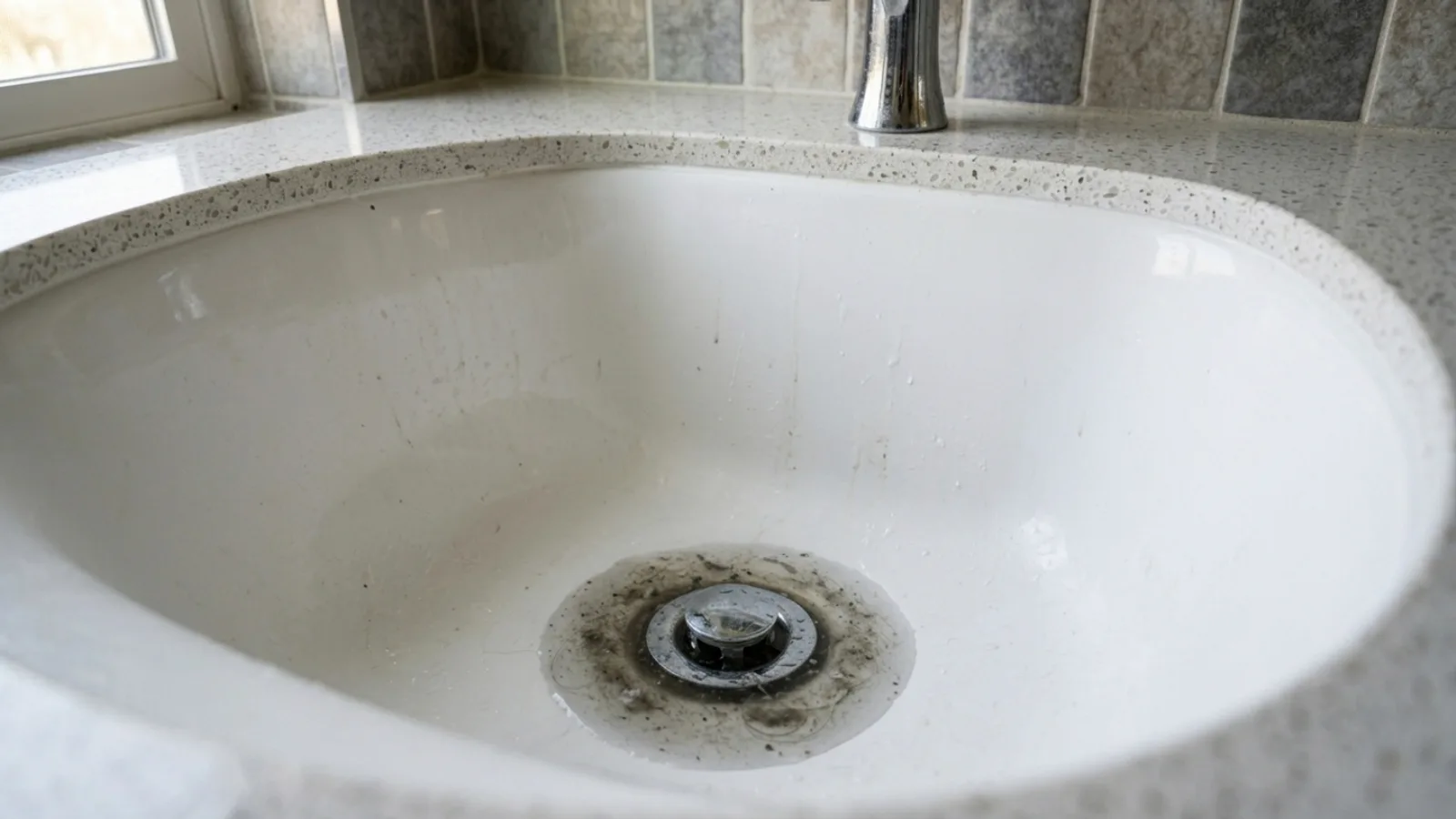
When a sink or shower begins to drain slowly, many homeowners reach for a bottle of liquid drain cleaner. Marketed as a fast, easy solution, these products are sold in every grocery and hardware store in Temecula, Murrieta, and Menifee. Professional plumbers consistently advise against their routine use — not out of self-interest, but because the short-term convenience often creates long-term pipe damage that ends up costing far more to repair.
How Chemical Cleaners Actually Work
Chemical drain cleaners rely on caustic or oxidizing reactions to break down clogs. Typical active ingredients include lye (sodium hydroxide), sulfuric acid, or hydrochloric acid. Poured into a drain, these chemicals react with organic matter — hair, grease, food particles, and soap scum — and generate intense heat to dissolve the blockage. The heat and corrosiveness are the problem: they do not stop at the clog.
In older homes with galvanized steel or cast-iron pipes — common in Temecula, Murrieta, and Riverside — repeated chemical use accelerates rusting and internal corrosion. It can thin pipe walls until they develop pinhole leaks or hairline cracks. Modern plastic pipes such as PVC or ABS, found in many Menifee and Lake Elsinore homes built from the 1990s onward, can soften or warp from the heat. Caustic cleaners may weaken solvent-welded joints and degrade rubber gaskets and seals — including those under sinks, at dishwasher connections, and around garbage disposals. The result is slow leaks inside cabinets or behind walls that go unnoticed until they cause water damage or mold.
They Often Do Not Remove the Root Cause
Chemical cleaners may burn a small path through the immediate clog, but sticky residue and mineral scale — common in Riverside County’s hard water — remain on the pipe walls and continue trapping debris. The clog returns, homeowners apply more chemical, and the cycle of pipe degradation continues. Recurring slow drains are a sign that the blockage mechanism is still present; a mechanical solution or professional service is the right response, not another round of chemicals.
Homeowners concerned about scale buildup from hard water can consider whole-house filtration or water-softening systems to reduce mineral load on pipes and fixtures throughout the home.
Safety and Environmental Risks
These products cause skin and eye burns on contact. The fumes irritate the respiratory system. Mixing different brands of drain cleaner — a common mistake when the first application does not work — can create dangerous gas. Most critically, if a professional plumber is called and the drain still contains chemical-laden standing water, it poses a direct safety risk to the technician. Always disclose any chemicals used so the drain can be handled safely.
Septic systems, common in Wildomar, French Valley, and unincorporated areas of Riverside County, rely on beneficial bacteria to process waste. Chemical drain cleaners harm these bacteria, disrupting the biological process and potentially requiring expensive septic pumping and restoration. In municipal sewer areas, concentrated acids and caustic compounds may stress treatment processes and can reach local waterways. The EPA’s Septic System Guide specifically notes that harsh chemical drain cleaners can damage septic tank function.
Safer, More Effective Alternatives
For minor clogs, mechanical methods work better and cause zero pipe damage:
- A cup plunger for sinks and tubs — cover the drain opening fully and use firm, steady strokes
- A plastic drain snake or hair removal tool for shallow clogs in the trap area
- Removing and cleaning the P-trap for stubborn sink blockages
- A baking soda and white vinegar flush followed by hot tap water for light organic buildup — effective for maintenance rather than active clogs
- Enzyme-based drain treatments used monthly — these use bacteria and enzymes to digest organic matter gradually and are safe for pipes and septic systems
Prevent kitchen drain clogs by keeping fats, oils, and grease out of the drain entirely. Let grease cool in a container and throw it in the trash. Wipe greasy pans before washing. In bathrooms, use hair catchers and clean them after every shower. Keeping fibrous, starchy, and hard items out of the garbage disposal reduces the load on kitchen drains. For more on what should and should not go down kitchen drains, see our garbage disposal care guide.
When to Call a Professional
If mechanical methods do not clear the clog, or if slow drains recur frequently, it is time for professional service. Recurring clogs, slow drainage throughout the home simultaneously, gurgling toilets, or sewer odors from multiple fixtures signal a main-line issue. Gardner Plumbing Co. presents several repair paths — snaking, hydro-jetting, sewer camera inspection, or trenchless repair — explaining pros and cons before recommending the best approach. Hydro-jetting uses high-pressure water to scour grease, soap buildup, and small roots for longer-lasting results than snaking; camera inspections identify root intrusion or pipe damage; trenchless methods can repair or reline pipe with minimal digging.
If a sewer backup is overflowing or sewage is visible, call immediately — every minute increases damage and health risk. Gardner Plumbing Co. provides flat-rate pricing so homeowners know the investment before work begins. The company is licensed under CSLB #1073177 and has served Riverside County for 30+ years with professional drain cleaning services.
Recurring drain problems? Call (951) 246-4337 — no trip fees, no obligation. Gardner Plumbing Co. serves Temecula, Murrieta, Menifee, Lake Elsinore, Wildomar, and 20+ additional cities across Riverside County.
The Convenient Fix That Is Not
Chemical drain cleaners may seem like the fastest solution, but the long-term costs — damaged pipes, recurring clogs, safety hazards, and potential septic disruption — outweigh the short-term convenience. By choosing mechanical methods, enzymatic maintenance, and professional service when needed, Riverside County homeowners protect their plumbing, their health, and the environment without pouring corrosive chemicals into pipes that were built to last decades.