Water Conservation
Hidden Water Waste in Your Home — And How to Stop It
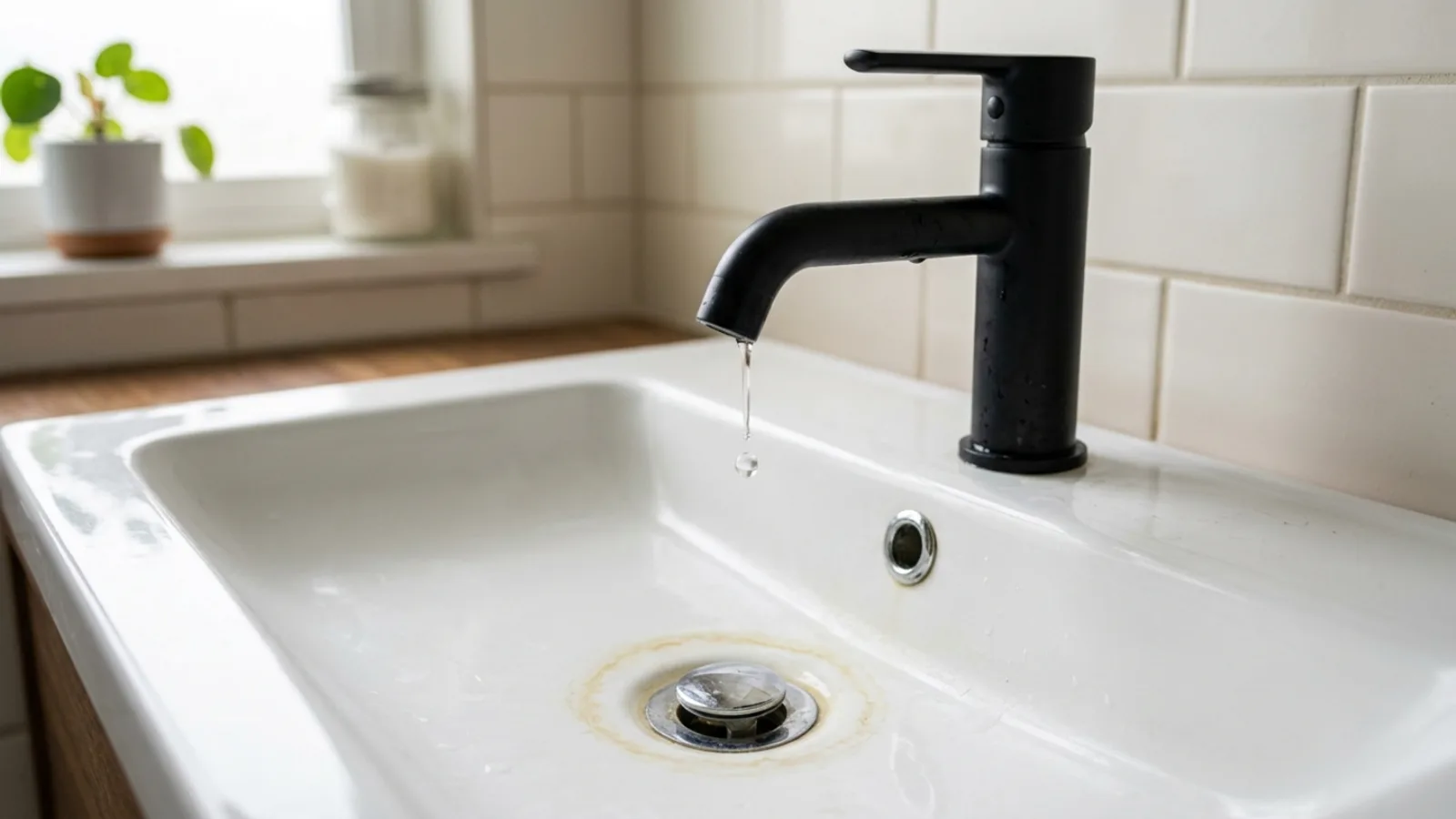
Water is a precious resource in Southern California, and conservation is a constant priority for Riverside County residents. Tiered water rates used by many local providers mean unnecessary usage can push a household into a higher billing tier — making hidden waste not just an environmental issue but a direct financial one. While most families are mindful of obvious water use, significant amounts are often wasted silently every day. Identifying and fixing these hidden sources can lower utility bills and protect the home’s plumbing system.
Running Toilets: The Biggest Hidden Waster
A toilet that runs continuously can waste hundreds of gallons per day — often without making any noticeable sound. The most common causes are a worn or improperly seated flapper, mineral buildup from hard water in Temecula, Murrieta, and Menifee that prevents a good seal, or an incorrect tank water level. A simple dye test confirms a toilet leak: add a few drops of food coloring to the tank and wait 15 minutes without flushing. If color appears in the bowl, the flapper is leaking.
Repair options range from a low-cost flapper replacement to a fill valve swap to a full toilet upgrade to a high-efficiency model that uses significantly less water per flush. Gardner Plumbing Co. presents all options with clear pros, cons, and a professional recommendation before any work begins. Toilet installation and repair service is available throughout Riverside County with flat-rate pricing.
Leaky Faucets and Showerheads
A faucet that drips once per second wastes more than 3,000 gallons per year. Leaky showerheads and outdoor hose bibs compound the total significantly. These leaks stem from worn washers, cartridges, or O-rings — all common after years of hard-water exposure in Riverside County communities. Cleaning or replacing aerators often restores performance without a full repair.
Inspect under every sink regularly for moisture on the cabinet floor or the back wall. Slow drip leaks at supply line connections go unnoticed until they rot out the cabinet bottom or damage adjacent flooring. Braided stainless steel supply lines should be replaced if they show any bulging, discoloration, or are more than 5–7 years old. For a full breakdown of repair vs. replacement decisions, see our guide on leaky faucet repair options.
Outdoor Irrigation: The Largest Category by Volume
Irrigation systems waste large amounts of water when a sprinkler head is broken, an underground line is cracked, or spray patterns miss planting areas entirely. Windy conditions in Lake Elsinore and Wildomar blow spray off target — watering sidewalks and driveways instead of soil. Zones that take a long time to drain after a cycle ends often have check-valve failures that allow low-lying heads to siphon backward, draining the lateral between runs and wasting water on the next cycle’s startup.
Walk every irrigation zone while the system runs — at least once per season. Look for tilted heads, broken risers, and spray patterns that miss the plants. If a zone consistently reads higher on the water meter than others, an underground line inspection is warranted. The EPA WaterSense irrigation program notes that a properly scheduled and maintained system can reduce outdoor water use by up to 15 percent.
Hot Water Delivery Inefficiency
Waiting for hot water to arrive at a distant faucet sends clean, potable water straight down the drain. Long pipe runs — common in single-story Riverside County homes with the water heater at one end — mean a homeowner may run the tap for 30–60 seconds or longer before hot water arrives. That waste adds up quickly across multiple daily uses.
Options for improvement include insulating exposed hot water lines (inexpensive, reduces wait time and heat loss), installing a demand hot water recirculation pump (delivers hot water on demand, uses some energy), or a timed recirculation system that balances availability and energy use. A licensed plumber can recommend which approach fits the home’s layout and the homeowner’s budget. The temperature and pressure relief (T&P) valve on the water heater should also be checked — a valve that drips or intermittently releases water may indicate high pressure or an overheating condition that needs professional attention. See our guide on hot water issues for more on heater performance.
Appliances and Systems That Waste Water Quietly
Several household systems contribute to hidden water use that rarely gets noticed until the bill arrives. Refrigerator ice maker lines can develop pinhole leaks behind appliances. Old rubber washing machine hoses bulge and seep at connections — upgrading to braided stainless steel hoses is an inexpensive precaution. Water softeners and reverse osmosis units discharge water during regeneration or filtration; if a softener regenerates too frequently or a drain line sticks open, the system can waste far more water than intended. Homes with pools should monitor the automatic fill valve — if it runs frequently, the pool may have a shell or underground plumbing leak.
For professional leak detection, Gardner Plumbing Co. uses electronic leak locating, acoustic equipment, and thermal imaging to find hidden leaks behind walls, under slabs, and in yard plumbing — all without unnecessary demolition. Findings are documented with photos and video. Smart water monitoring systems like Moen Flo provide real-time water usage data and automatic shutoff, making it easy to catch abnormal consumption patterns before they become a major water bill or a repair emergency.
Using Your Water Meter as a First Check
When usage seems elevated but the source is not obvious, the water meter is the fastest diagnostic tool you have. Turn off all water-using fixtures and appliances, then check the meter’s small leak indicator — a triangle or star that spins with any flow. If it is moving, water is escaping somewhere in the system. See our step-by-step guide on using your water meter to detect leaks for full instructions on isolating indoor vs. outdoor problems.
Seeing a high water bill you can’t explain? Call (951) 246-4337 — no trip fees, no obligation. Gardner Plumbing Co. serves Temecula, Murrieta, Menifee, Lake Elsinore, Perris, Riverside, and 20+ additional cities across Riverside County.
Small Fixes Add Up to Real Savings
Hidden water waste rarely announces itself. It shows up in a higher-than-expected bill, a soft cabinet floor, a soggy patch of lawn, or a water heater that runs constantly. Tackling these issues one by one — a flapper here, a showerhead aerator there, a sprinkler head adjustment out back — compounds into meaningful savings on tiered water bills. Gardner Plumbing Co. has served Riverside County homeowners for 30+ years with transparent flat-rate pricing, a 30-day callback guarantee, and licensing under CSLB #1073177.