Bathroom Plumbing
Common Bathroom Plumbing Problems and How to Address Them
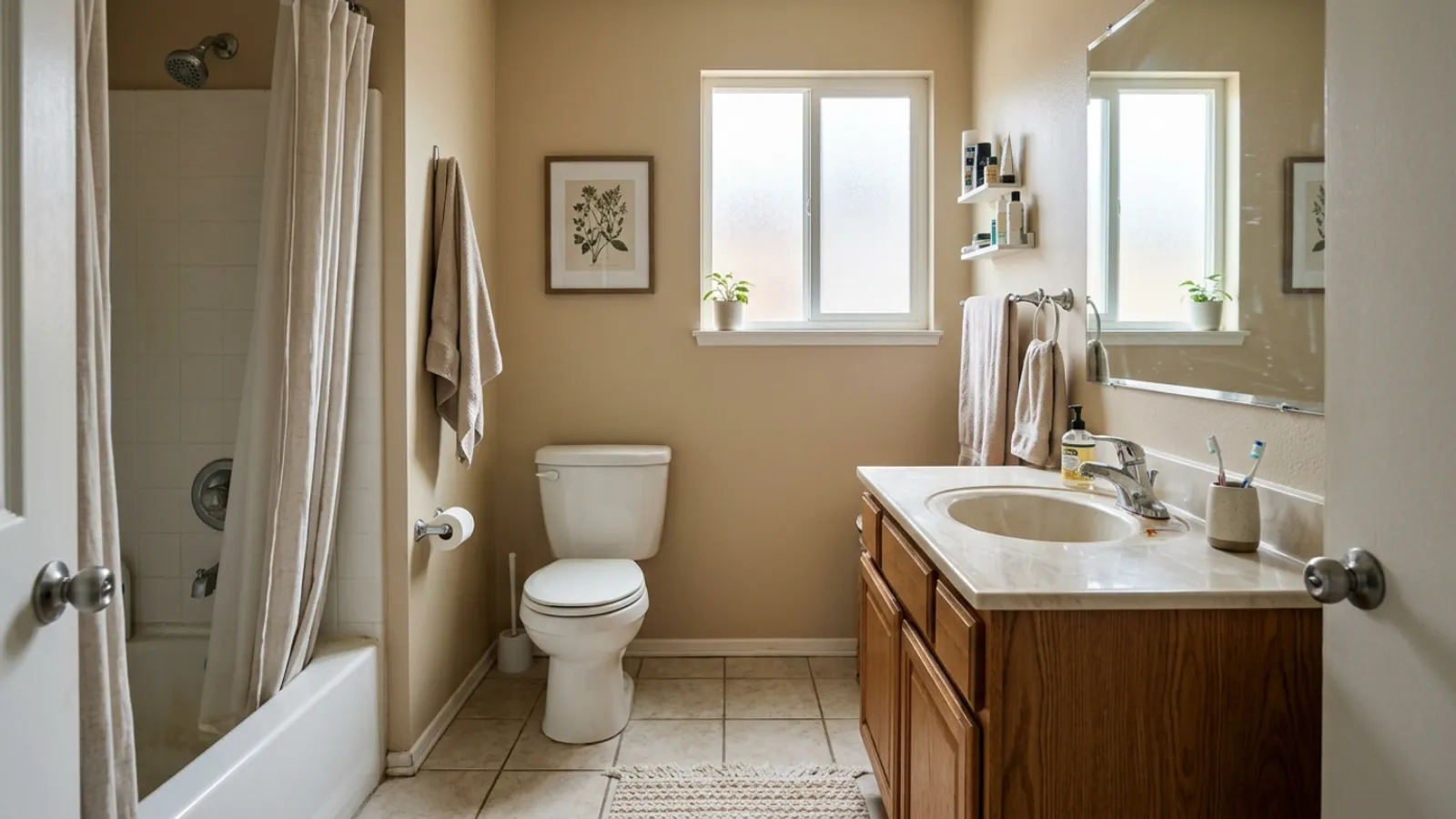
The bathroom is one of the most-used spaces in any home, and its plumbing absorbs that daily wear. From morning routines to evening soaks, reliable bathroom plumbing is a basic comfort that most families take for granted — until something goes wrong. Riverside County homeowners face a consistent set of common issues, made more frequent by local hard water that accelerates mineral buildup and component wear across Temecula, Murrieta, Menifee, Lake Elsinore, and surrounding communities.
Running Toilets
A running toilet wastes water and raises water bills — sometimes by hundreds of gallons per day. The continuous flow sound usually points to a tank problem: a worn flapper that cannot seal, a float set too high so water spills into the overflow tube, or a fill valve that does not shut off reliably. A dye test confirms the flapper: add a few drops of food coloring to the tank and wait 15–20 minutes without flushing. If color appears in the bowl, water is leaking through.
Replacing the flapper and checking the chain length often resolves the problem quickly. If water trickles into the overflow, adjusting the float or replacing the fill valve is the next step. Hard water in Riverside County leaves limescale that stiffens rubber components and deposits on valve seats — making running toilets more frequent here than in softer-water areas. For a detailed breakdown of repair versus replacement decisions, see our guide on running toilet: fix or replace.
Clogged and Slow Drains
Hair, soap scum, and toothpaste build up in shower and sink drains and restrict flow progressively. For minor clogs, plunging, removing and cleaning the stopper, or using a plastic drain snake often clears the line. A baking soda and vinegar flush followed by hot tap water helps light buildup. Avoid chemical drain cleaners — they damage pipes and finishes, and only burn a path through the clog without removing the buildup that caused it. For more on why chemical cleaners are problematic, see why chemical drain cleaners destroy pipes.
For recurring or deep blockages, options include professional snaking, hydro-jetting, or a video sewer inspection. Snaking is cost-effective for simple clogs; hydro-jetting cleans pipe walls more thoroughly and lasts longer; video inspection shows the exact problem and its location. A technician will explain the tradeoffs and recommend the best path for the specific situation.
Leaky Faucets
A bathroom faucet that drips once per second wastes more than 3,000 gallons of water in a year — a real cost in Riverside County’s tiered water billing environment. Leaky faucets typically fail at the cartridge, ceramic disk, ball valve, or compression mechanism inside the faucet body. Homeowners face three main options: replace the worn internal parts (the least expensive fix), rebuild the faucet (useful when the cartridge is fine but seals and O-rings have failed), or install a completely new fixture (the best long-term investment if the faucet is old, heavily scaled, or cosmetically worn).
A professional evaluation determines whether repair parts are still available for the faucet model — a common issue with fixtures more than 10 years old — and whether the cost of the repair is proportionate to the fixture’s remaining useful life. For a full treatment of the repair-versus-replace decision, see our guide on repair vs. replace: leaky faucets.
Low Water Pressure
Low pressure in a single bathroom fixture usually points to a clogged aerator or showerhead. Mineral deposits from Riverside County’s hard water block the small flow ports over time; soaking the aerator or showerhead in white vinegar overnight typically restores normal flow. Also check that the shutoff valves under the sink are fully open and that flexible supply hoses are not kinked.
If hot water pressure specifically is weak across the bathroom, sediment in the water heater or a failing dip tube may be reducing flow on the hot side. If low pressure affects every fixture in the home, the pressure reducing valve (PRV), aging galvanized pipes, or a hidden leak may be the cause. Normal residential pressure is generally 50–80 PSI; California code sets 80 PSI as the upper limit. For more on diagnosing and fixing pressure issues throughout the home, see our water pressure guide.
Temperature Swings, Sewer Odors, and Banging Pipes
Sudden temperature swings during a shower when another fixture runs in the house point to the shower valve needing a pressure-balancing or thermostatic mixing valve upgrade. Setting the water heater to approximately 120°F helps with both safety and energy use. Most water heater replacements require permits in California; a licensed contractor handles those requirements. Annual tank flushing helps maintain consistent hot water delivery — more frequently in hard-water areas of Riverside County.
Sewer odors often come from a dry P-trap in a little-used shower or tub; running water for a minute refills the trap and eliminates the smell. Odors at the toilet base — especially combined with rocking or water staining around the toilet — suggest a worn wax ring. Replacing the wax ring and gently retightening the floor bolts typically resolves the issue. Banging pipes (water hammer) when valves close quickly can be addressed by installing water hammer arrestors, securing loose pipes, and keeping household pressure in a reasonable range.
Staying ahead of bathroom plumbing problems is straightforward: use hair catchers in showers and clean them regularly, clean aerators and showerheads a few times per year, inspect supply lines and isolation valves under sinks and behind toilets annually, and avoid flushing wipes even when labeled "flushable." For ongoing protection, Moen Flo whole-home monitoring tracks water use in real time and can automatically shut off supply when abnormal flow is detected. The EPA’s Fix a Leak Week campaign reports that household leaks waste nearly 1 trillion gallons annually — bathroom fixtures are one of the most common sources.
Bathroom plumbing problem? Call (951) 246-4337 — no trip fees, no obligation. Gardner Plumbing Co. (CSLB #1073177) serves Temecula, Murrieta, Menifee, Lake Elsinore, Hemet, and 20+ additional cities across Riverside County.
Prompt Attention Prevents Bigger Repairs
The bathroom plumbing problems listed above have a common thread: they are all easier and less expensive to fix early than after they have progressed. A slow drain becomes a complete blockage. A dripping faucet damages a cabinet floor. A running toilet adds up to thousands of gallons of wasted water and real money on the bill. Gardner Plumbing Co. technicians diagnose the specific failure, present repair and replacement options with honest tradeoffs, and give a professional recommendation — with flat-rate pricing so you know the cost before any work begins. That is The Gardner Promise in every bathroom service call.