Emergency Prep
Emergency Plumbing Preparedness: A Complete Guide for Riverside County Homeowners
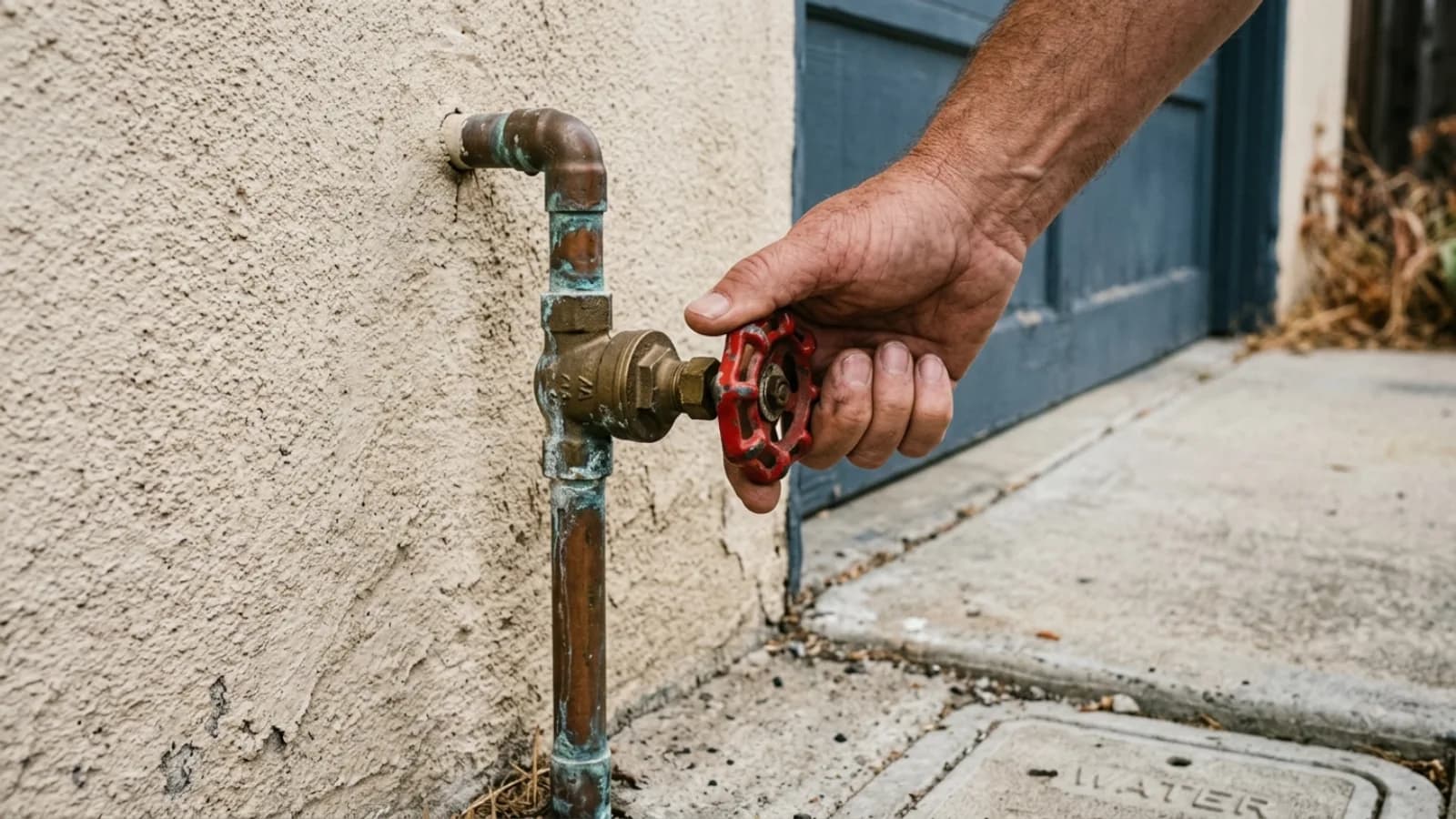
A plumbing emergency does not announce itself. A pipe bursts at 2 AM. A water heater fails during a holiday gathering. A toilet overflows while no one is home. For homeowners in Temecula, Murrieta, Menifee, Lake Elsinore, Hemet, and neighboring Riverside County communities, the difference between a contained event and a significant water-damage claim often comes down to preparation completed before anything went wrong. Knowing where the shutoff valves are, having basic tools on hand, and understanding how to respond in the first critical minutes can prevent thousands of dollars in structural damage and make the plumber's arrival faster and more effective.
Step One: Know Every Shutoff Valve in Your Home
The single most important piece of emergency plumbing knowledge is the location of the main water shutoff valve. In most Riverside County homes, it is near the water meter, in the garage, or where the main supply line enters the foundation. Every adult in the household should know where it is and confirm it operates smoothly at least once per year. Turn it off, verify flow stops at an interior tap, then open it again. If it requires excessive force, fails to completely stop flow, or leaks at the stem after turning, have it replaced — a failed shutoff valve during a burst pipe event means the house cannot be isolated from water supply until the utility shuts off the street-side valve, which adds time and damage accumulation.
Beyond the main valve, every toilet, sink, and appliance connection has an individual isolation valve. Turning these clockwise stops water to a single fixture without cutting off the entire house. During a toilet overflow, the isolation valve behind the toilet base is the correct first response — stop flow to the fixture, not to the whole home. Inspecting these valves annually confirms they operate freely; valves that have not been turned in years may be mineral-seized and useless in an emergency. Upgrading old rubber hoses on washing machines and toilets to braided stainless steel supply lines eliminates a common failure point before it causes a leak. Our guide on how to find and use your main shutoff valve covers the full process with step-by-step instructions.
Build a Basic Emergency Plumbing Kit
A small emergency kit kept in a consistent location — under the kitchen sink, in the garage, or near the water heater — gives household members the tools to take meaningful first action before a plumber arrives. Useful contents include:
- Adjustable pipe wrench and channel-lock pliers
- Cup plunger (for sinks and tubs) and flange plunger (for toilets)
- Self-fusing silicone repair tape and a small pipe repair clamp for temporary leak containment
- Plumber's tape (Teflon) for threaded connections
- Bucket, heavy towels, and nitrile gloves
- Flashlight with fresh batteries
- Wet/dry shop vacuum for rapid water removal
- A few 3/8-inch compression caps to temporarily seal a leaking supply line
Plastic sheeting and duct tape can contain spreading water when a fixture cannot be isolated quickly. Portable fans speed surface drying and reduce the time window for mold growth to begin. For ongoing protection, smart water monitoring systems like Moen Flo provide 24/7 flow monitoring, automatic shutoff when abnormal flow is detected, and real-time alerts to a smartphone — a meaningful safeguard for any home, particularly those that are frequently vacant. Some Riverside County water agencies offer rebates for smart water monitoring devices, and installation may qualify for homeowners insurance discounts.
Responding to Common Emergency Scenarios
Burst pipe: Shut off the main water valve immediately. Open the lowest faucet in the home and an outdoor hose bib to drain remaining water from pressurized supply lines. Move furniture and rugs from wet areas, place towels at doorways to contain spread, and document damage with photos. Call a licensed plumber immediately — every additional minute of water in wall cavities increases structural damage and mold risk.
Overflowing toilet: Remove the tank lid and press down on the rubber flapper to stop water entering the bowl. Turn the isolation valve behind the toilet clockwise until it stops. A proper flange plunger clears most toilet clogs; if the blockage does not clear with several firm plunges, a closet auger can reach deeper. If the toilet overflows again immediately after clearing, the blockage is in the main sewer line and requires a camera inspection and professional clearing. Warning signs of main line issues are covered in our guide on understanding your main sewer cleanout.
Water heater leaking: Turn off the cold water supply valve on the pipe entering the top of the unit. For a gas water heater, set the gas control valve to "pilot" and close the gas shutoff valve on the supply line. For electric units, trip the breaker at the main panel. If the temperature and pressure relief (TPR) valve is discharging hot water from the discharge pipe, do not block the discharge — this valve is opening because system pressure or temperature has exceeded safe limits. Keep people clear of the hot discharge and call a professional. Most water heater replacements require permits in California; Gardner Plumbing Co. handles the applicable requirements and can provide same-day replacement in many cases. For more on what water heater warning signs look like before a failure, see our guide on signs a water heater needs replacement.
Sewer backup: Stop all water use in the home. Do not run the dishwasher, washing machine, or any faucet. If an exterior cleanout is accessible, loosen the cap slowly and stand clear — built-up pressure can surge wastewater when the cap first breaks. Keep children and pets away from affected areas. Do not use chemical drain cleaners; they are ineffective on main line blockages and create chemical hazards for the responding technician. Call a licensed plumber immediately. For homes with an active backup, stopping water use and calling without delay is the most effective action a homeowner can take.
Electrical Safety During Water Events
Water and electricity are the most dangerous combination in a household emergency. If water is near any electrical outlet, appliance cord, or fixture, cut power to the affected area at the breaker panel before entering the space. Do not step onto a wet floor that may be energized. A ceiling bulging from trapped water should be treated with caution — standing directly beneath it and puncturing it releases water rapidly. Place a bucket and step away before creating a relief hole. Ventilating with fans and open windows can begin once the leak source is controlled and the area is confirmed safe from electrical hazard. The Ready.gov household emergency preparedness resources include general guidance on managing water events in residential settings.
After the Emergency: Documentation and Repair Options
Before cleanup begins, photograph and video document all damage — floor, walls, ceiling, and affected fixtures. This documentation supports insurance claims and gives the responding plumber context before arriving. When the immediate event is controlled, Gardner Plumbing Co. technicians use electronic leak locating, acoustic equipment, thermal imaging, and sewer cameras to diagnose the root cause and show homeowners exactly what the technician finds. Multiple repair options are presented with pros, cons, and a professional recommendation before any work begins. Flat-rate pricing ensures the cost is known before the first cut is made. Financing is available for qualifying projects. Gardner Plumbing Co. provides emergency plumbing service and burst pipe repair across Riverside County, backed by CSLB #1073177, 30+ years of local service, and 900+ five-star Google reviews.
Preparation Is the Fastest Emergency Response
No amount of preparation eliminates every plumbing emergency — but it dramatically reduces how bad any given emergency becomes. Homeowners who know where their shutoff valves are, have a basic tool kit available, and have a trusted plumber's number saved can contain most events to the first ten minutes. Homeowners who are finding the main shutoff for the first time while a pipe is gushing lose those ten minutes entirely. The best time to prepare is before anything goes wrong. The second-best time is now.
Plumbing emergency in Riverside County? Call (951) 246-4337 — available for emergencies 24/7. Gardner Plumbing Co. (CSLB #1073177) serves Temecula, Murrieta, Menifee, Lake Elsinore, Hemet, and 20+ additional cities across Riverside County and neighboring communities.