Homeowner Tips
Seven Signs It Is Time to Call a Professional Plumber
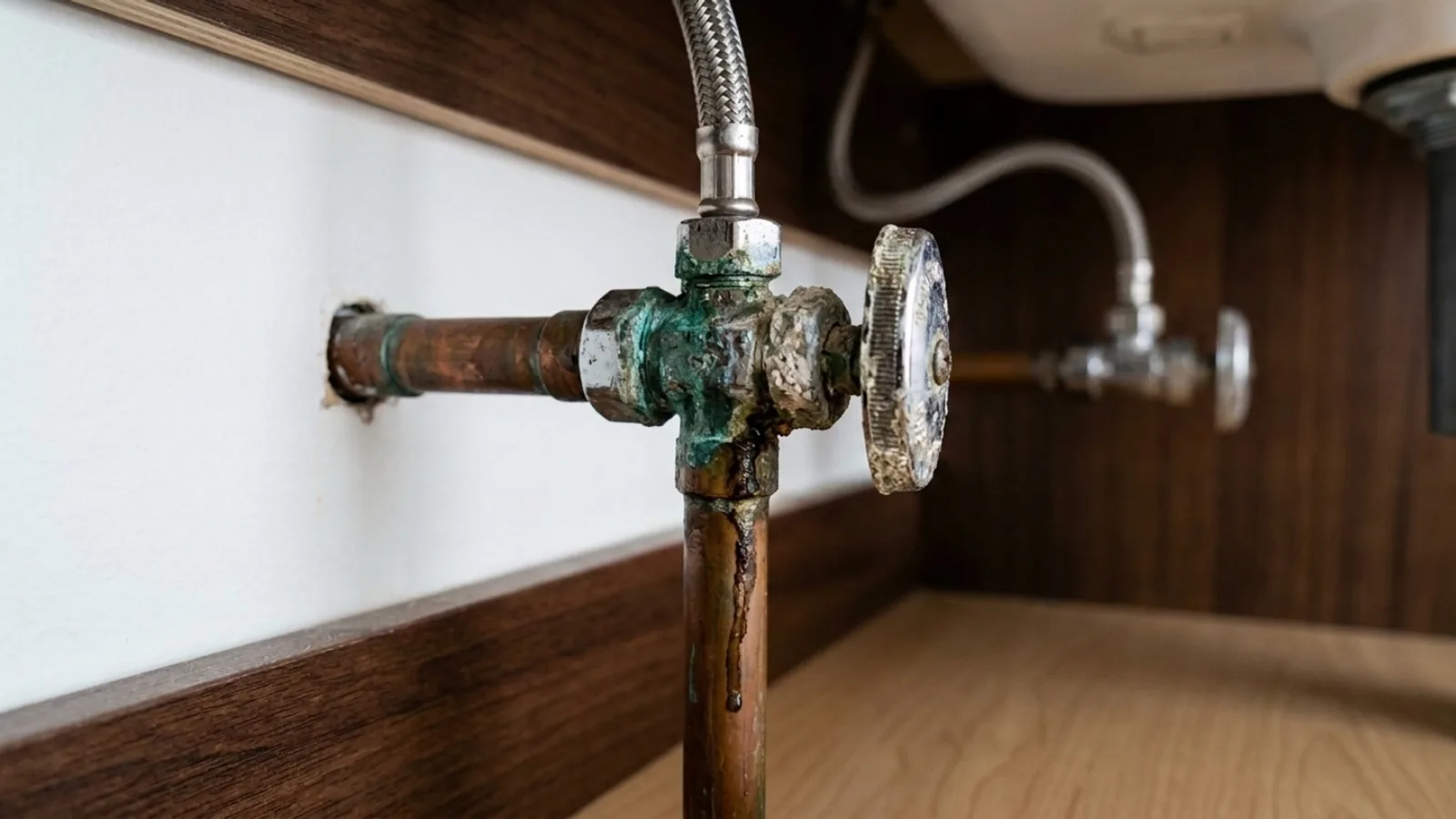
Many Riverside County homeowners take pride in handling minor repairs themselves. A dripping faucet, a running toilet, a slow drain — these are reasonable DIY targets with the right tools and a quick search. Plumbing systems are complex, however, and some issues carry consequences that exceed what a hardware store run and a YouTube tutorial can address safely. Knowing when to call a licensed professional saves time, prevents water damage, and protects a home's safety. Here are seven signs that the situation calls for a plumber rather than a weekend project.
1. No Water Coming from the Taps
A complete loss of water pressure warrants immediate investigation. Before calling a plumber, confirm the water utility has not posted an outage notice and check that the main shutoff valve is fully open. If those factors are ruled out, the cause may be a severe hidden leak, a failed pressure reducing valve, or a blockage in the main supply line. A quick meter check helps narrow it down: shut off every fixture and appliance, then watch the meter's low-flow indicator. If it is moving with everything closed, water is escaping somewhere in the system. If a burst pipe is suspected, turn off the main shutoff immediately, then cut power to the water heater, and call a plumber — every minute of running water from a pressurized failure increases structural damage. Licensed plumbers use electronic leak locating, acoustic equipment, and thermal imaging to find the source with minimal demolition. Our guide on how to use your main shutoff valve explains the emergency first steps.
2. A Sudden, Unexplained Spike in the Water Bill
If water use habits have not changed but the monthly bill jumps, water is escaping somewhere. Common culprits in Riverside County include slab leaks under concrete foundations, toilet flappers with a slow drip that does not show in the bowl, irrigation line breaks, and service line leaks between the meter and the house. A dye test in the toilet tank — add food coloring, wait 15 minutes without flushing, check if color appears in the bowl — can rule out a silent toilet leak quickly. For suspected slab or supply line leaks, a professional leak detection inspection with thermal imaging and acoustic equipment pinpoints the source non-invasively. Early detection limits mold growth, floor damage, and the structural costs that a long-running hidden leak can accumulate.
3. Multiple Slow Drains Throughout the House
A single slow sink is a localized clog — a plunger or a hand auger is a reasonable first step. When multiple fixtures drain slowly at the same time, or when flushing the toilet causes the tub to gurgle, the obstruction is in the main sewer line, not an individual drain. Tree root intrusion, grease accumulation, and scale buildup in older clay or cast iron sewer lines are common causes across Riverside County. The options range from cable snaking (quick, lower cost, but may not clear roots or heavy buildup) to hydro-jetting (removes buildup from pipe walls, more thorough) to trenchless repair (appropriate for cracked or collapsed sections). A video camera inspection before any cleaning confirms what is present and guides the right recommendation.
4. Sewage Odors Inside the Home
A properly functioning plumbing system vents sewer gases through the roof. When those odors reach living spaces, the vent stack may be blocked, a P-trap may have dried out in a seldom-used fixture, or the sewer line may be damaged. Running water in unused fixtures refills the P-trap and is the right first check. If odors persist, a smoke test or sewer camera inspection by a licensed plumber locates the breach. Sewer gas contains hydrogen sulfide and methane — both are health hazards at elevated concentrations, and methane is flammable. The CDC's guidance on hydrogen sulfide notes that even low concentrations can cause headaches and respiratory irritation — persistent sewer odors deserve professional investigation, not a temporary deodorizer fix. For warning signs of more serious main line issues, our post on sewer line warning signs covers the full picture.
5. Water Heater Problems: Leaks, Rust, and Noise
A water heater that is sweating, dripping from fittings, or pooling water at its base requires professional attention. Condensation on a cold tank in humid conditions can mimic a leak — but persistent moisture, rust staining, or standing water are not condensation. Rusty hot water (clear cold water) points to internal tank corrosion and often signals that replacement is more economical than repair. Popping or rumbling sounds indicate heavy sediment buildup, which is accelerated by Riverside County's hard water and reduces both efficiency and tank life. A water heater is a pressurized vessel — DIY repair of a tank body or temperature and pressure relief valve is not a safe category of homeowner work. Most replacements require permits in California; a licensed contractor handles code compliance including seismic strapping and expansion tank requirements. See our guide on signs a water heater needs replacement for the full diagnostic checklist.
6. Low Water Pressure Throughout the Entire House
Pressure that drops at every fixture simultaneously — not just one faucet — points to a system-level problem. Possible causes include mineral buildup narrowing older galvanized pipes, a failing pressure reducing valve, a partially closed main shutoff, or a supply line leak. Removing and cleaning faucet aerators is a reasonable first step: if only one or two fixtures improve after cleaning, the issue is localized. If whole-house pressure remains low, a plumber tests static and dynamic pressure at a hose bib and compares readings to the city supply. Household pressure should typically fall in the 50–80 PSI range. Below that, a leaking supply line or corroded main is the likely cause. Above 80 PSI, a PRV adjustment or replacement protects appliances and fixtures from stress-related failures. For more on what pressure problems indicate, see our post on water pressure problems and solutions.
7. Any Issue Involving Gas Lines
If there is a smell of rotten eggs near a gas appliance, or any reason to suspect a gas line leak, leave the home immediately. Do not use electrical switches, lighters, or anything that could create a spark. Call the gas utility from outside or from a safe distance — and then call a licensed plumber trained in gas line work. Plumbers who work on natural gas lines can pressure test the system, replace aging flexible connectors, install sediment traps, and ensure proper bonding of corrugated stainless steel tubing where present. Gas work is highly regulated in California, and permitted repairs by a licensed contractor are the only appropriate response. The gas line services team at Gardner Plumbing Co. handles diagnostics, repairs, and new gas line installations under full permit and inspection.
What to Expect When You Call
A professional service visit for any of these seven issues starts with a focused diagnostic. Expect pressure testing, moisture readings, camera scans of the sewer line if relevant, and a clear explanation of findings with photos and video so you see what the technician sees. Gardner Plumbing Co. presents options with pros and cons, offers a professional recommendation, and provides upfront flat-rate pricing before any work begins — the Written Estimate Before Work Begins commitment under The Gardner Promise. CSLB #1073177. Financing is available for qualifying projects.
Seeing any of these signs? Call (951) 246-4337 — no trip fees, no obligation. Gardner Plumbing Co. serves Temecula, Murrieta, Menifee, Lake Elsinore, Hemet, and 20+ additional cities across Riverside County.