Homeowner Tips
Plumbing Inspections for Home Buyers: What to Look For
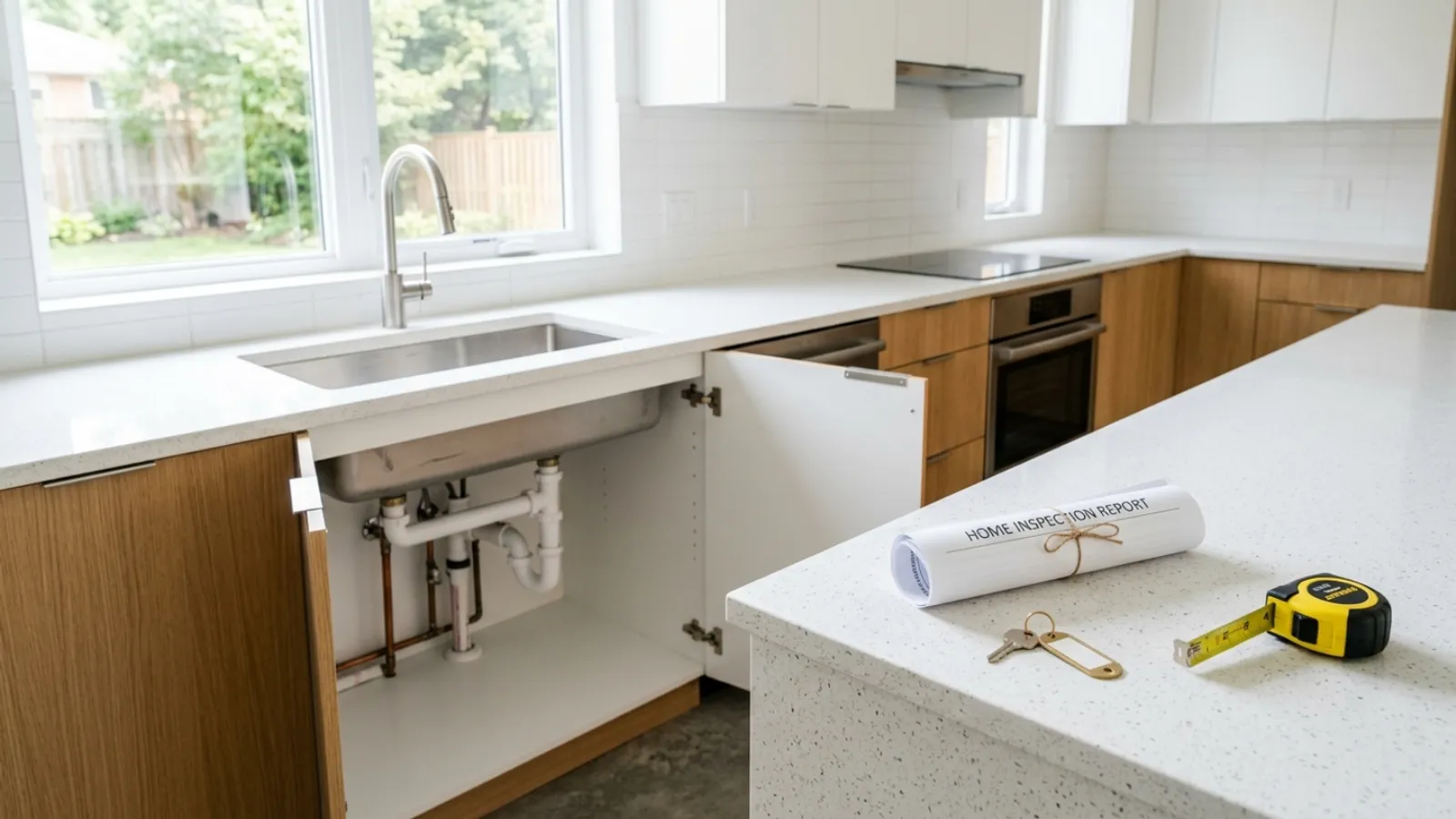
Buying a home is one of the most significant financial decisions most people make. Layout, location, and curb appeal are easy to evaluate — but the condition of hidden infrastructure determines long-term repair costs and livability. For buyers in Temecula, Murrieta, Menifee, Lake Elsinore, Hemet, Corona, and other Riverside County communities, a standard home inspection offers a surface-level overview. A specialized plumbing inspection goes deeper — using diagnostic tools that a general inspector does not carry — and gives buyers the information they need to negotiate, plan repairs, or walk away with confidence.
What a Plumbing Inspection Covers That a General Inspection Does Not
A standard home inspector runs faucets and flushes toilets. A licensed plumber brings thermal imaging, electronic leak locating, acoustic detection, moisture meters, and a sewer inspection camera. These tools find leaks behind walls, under slabs, and inside buried sewer lines — none of which appear on a visual walkthrough. Gardner Plumbing Co. documents every inspection with photos and video so buyers see what the technician sees, in context, before the inspection contingency deadline. Understanding how a home's plumbing system is laid out helps buyers interpret inspection findings correctly.
Supply Pipe Material and Condition
Older Riverside County homes may still have galvanized steel supply lines — which corrode internally and restrict flow. Mid-century homes sometimes have thin-wall Type M copper that develops pinhole leaks in hard-water environments. Homes from the late 1970s through mid-1990s may have polybutylene pipe, which is known to fail unpredictably and should be budgeted for full replacement. Modern homes typically use PEX or copper. A plumber identifies what materials are present, assesses their condition, and presents repair options — from spot repairs to full repiping — with pros, cons, and upfront flat-rate pricing. For buyers who want a complete reference on what each material means, see our guide on pipe materials.
Sewer Line Camera Inspection
The sewer lateral — the pipe that runs from the house to the city main or septic tank — is invisible to a general inspector. A video camera inspection from the home cleanout shows tree root intrusion, cracks, bellied sections that hold water, and deteriorated pipe material such as clay tile, cast iron, or Orangeburg. This is one of the highest-value add-ons a buyer can request. A failed sewer line after closing can cost $5,000–$20,000 or more depending on depth and access. Gardner Plumbing Co. provides sewer scope documentation and recommends hydro-jetting or trenchless repair where the camera finds concerning conditions. The California State License Board confirms that sewer repair work requires a licensed contractor — verify license numbers before hiring anyone for post-inspection work.
Water Heater, Pressure, Fixtures, and Outdoor Plumbing
Water heaters are evaluated for age, capacity, rust, safety features, earthquake strapping, functioning temperature and pressure relief (TPR) valves, and correct installation for California code. Most water heater replacements require permits; a licensed contractor handles those requirements. Pressure testing identifies static pressure outside the 50–80 PSI range — high pressure stresses joints and appliances, while low pressure may indicate corroded piping or a failing pressure reducing valve (PRV). Toilets and fixtures are checked for leaking flappers (dye test), movement at the base, and deteriorated supply lines. Tubs and showers get close inspection for failed caulking, soft walls or floors, and signs of water intrusion. Outdoor plumbing — hose bibs, irrigation backflow assemblies, pool equipment — should have proper backflow protection; see our post on backflow prevention for context. A specialized plumbing inspection delivers a clear report with photos, sewer video, and prioritized repair recommendations — the documentation buyers need to negotiate repairs or price adjustments before closing. Gardner Plumbing Co. serves buyers throughout Riverside County. CSLB #1073177.
Riverside County-Specific Plumbing Risks to Evaluate Before Closing
Certain plumbing issues are more common — and more expensive to fix — in Riverside County than in many other California markets. Buyers should specifically ask about these during the inspection period:
- Slab leak history: The majority of homes in Temecula, Murrieta, Menifee, and neighboring cities are built on concrete slabs. Thermal imaging during a plumbing inspection can identify active slab leaks and temperature differentials that suggest prior repair. Ask for any available plumbing or insurance repair history from the seller's disclosures.
- Hard water scale on appliances: At 12–20 GPG, Riverside County water leaves heavy deposits inside water heater tanks and on appliance elements. Check the age of the water heater and ask the seller whether a softener was in use. A scale-damaged heater may need replacement within 12–18 months of purchase even if it appears functional at inspection time.
- PRV condition: Some Riverside County zones have historically higher municipal supply pressure. A pressure reducing valve (PRV) at the main line keeps household pressure safe. PRVs have a typical service life of 10–15 years. An aging PRV that fails can damage appliances and pipe fittings throughout the house.
- Tree species and lateral proximity: Eucalyptus, ficus, and pepper trees are common in established neighborhoods throughout the county. Before closing, confirm the sewer lateral path and any mature trees near it. A camera inspection confirms whether root intrusion is already present.
- Permit history for prior plumbing work: In California, plumbing work on supply and drain systems generally requires a permit. Unpermitted repairs can create issues during resale. Ask for any available permit history or pull records from the local building department before closing.
Buying a home in Riverside County? Schedule a specialized plumbing inspection. Call (951) 246-4337 — no trip fees, no obligation. Gardner Plumbing Co. serves Temecula, Murrieta, Menifee, Lake Elsinore, Hemet, and 20+ additional cities.
The Right Inspection Protects the Right Purchase
A home with a compromised sewer line, aging galvanized supply pipes, or an undersized water heater can still be a great purchase — if the buyer knows about it and factors those costs into the negotiation. A home where those issues go undiscovered until after closing becomes a much more expensive problem to solve. A specialized plumbing inspection, with full documentation and clear repair options presented in advance, gives buyers the information they need to decide with confidence.