Water Heaters
Water Heater Noises: Popping, Rumbling, and Screeching
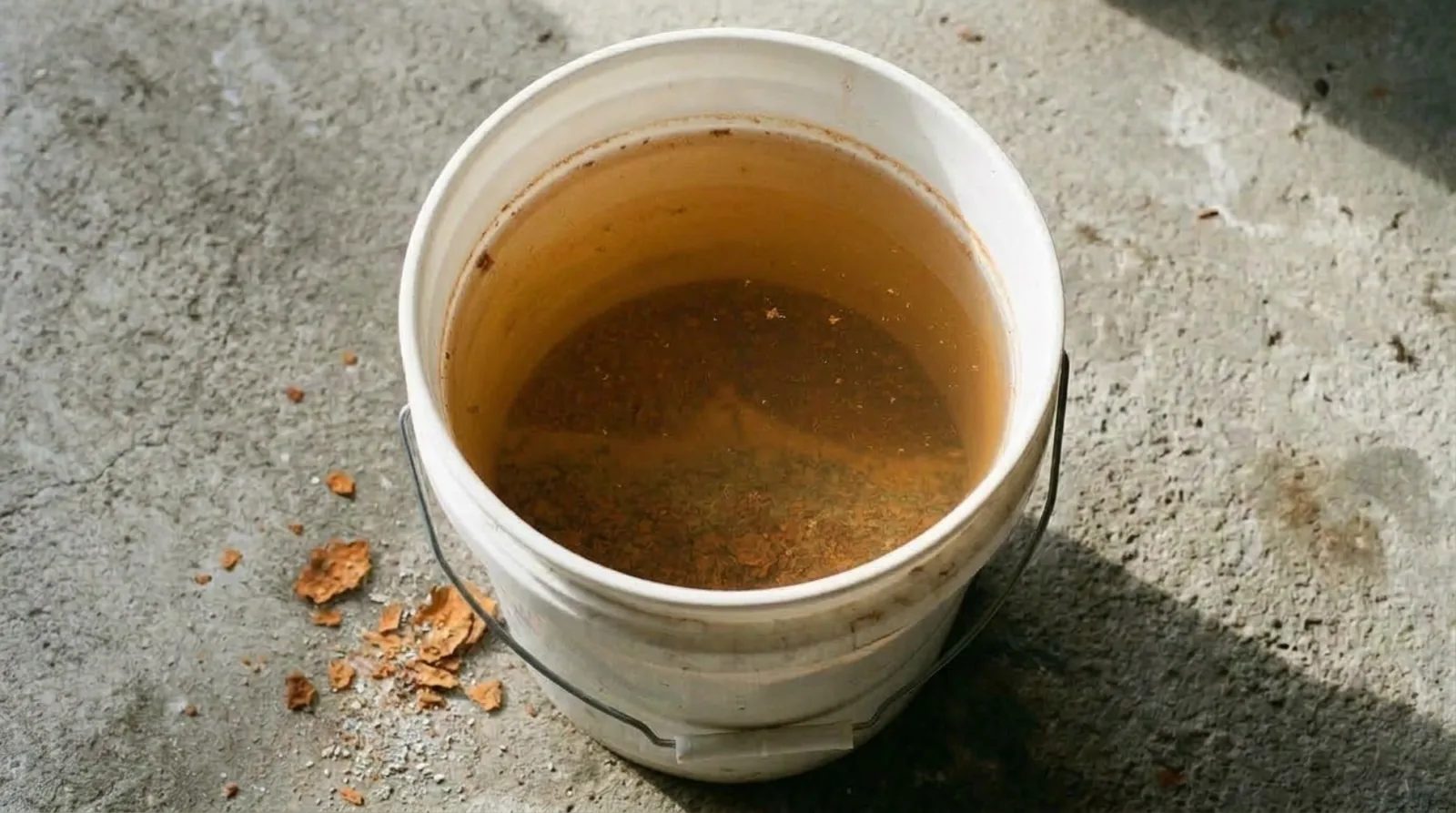
Water heaters are supposed to be boring. A gas burner cycling on, a faint whoosh, and otherwise silence. When a unit starts popping like a kettle, rumbling under the floor, or screeching at the end of a hot shower, it is reporting a physical condition inside the tank or at a connection. Most of those conditions are fixable and a few are urgent, and the sound itself is a surprisingly reliable diagnostic. For Riverside County homeowners on hard water, one cause dominates the list — but not all of them, and telling them apart matters.
Popping and Rumbling: Sediment, Almost Always
This is the most common water heater noise and the one hard water produces. Calcium and magnesium precipitate out of heated water and settle as a mineral layer on the tank bottom — directly above the gas burner. Water trapped underneath that layer superheats, flashes to steam, and forces its way up through the sediment. The popping is steam escaping through mineral crust. Heavier deposits produce a deeper rumble as larger volumes break loose.
Riverside County water is moderately hard to very hard across much of the service area. The USGS classifies water above 121 mg/L as calcium carbonate as hard, and above 180 mg/L as very hard — see the USGS explanation of water hardness for the classification. The harder the water, the faster sediment accumulates, and the sooner a tank starts talking.
Sediment is not just noisy. It insulates the water from the burner, so the unit runs longer to reach setpoint, burns more fuel, and holds heat against the tank bottom — which stresses the glass lining and shortens the tank's life. A unit that started popping this year is telling you maintenance is overdue, not that it is about to fail.
The Fix: Flushing, and Its Limits
Draining and flushing the tank removes loose sediment and is the correct first response. Done annually from the start, it largely prevents the problem. Our tank water heater maintenance guide walks through the procedure step by step.
The honest limitation: on a unit that has gone eight or ten years without a flush, the sediment layer has often hardened into a crust that a gravity drain will not lift, and the drain valve itself may clog with the debris it finally dislodges. Flushing an old, heavily scaled tank sometimes turns a noisy water heater into a leaking one — not because the flush caused damage, but because it disturbed deposits that were sitting against a wall already thinned by corrosion. That is worth knowing before you start, and it is a reason to have it done by someone who can replace the unit the same day if it comes to that.
Homes on hard water benefit more than most from a softening or filtration system, which reduces scale formation in the water heater and everywhere else — the broader effects are in how hard water damages pipes and fixtures.
Ticking and Clicking: Usually Normal
A light ticking shortly after the burner cycles is typically thermal expansion — pipe and metal expanding against strapping, framing, or a nail plate as they warm, then contracting as they cool. It is harmless, though it can be reduced by adding insulation where pipe passes through framing.
Rhythmic clicking can also come from a heat trap nipple at the tank connections, where a small internal ball seats and unseats with flow. Also harmless. What is worth checking: if ticking arrives with visible movement at a connection, the pipe may be inadequately supported, and chronic rubbing eventually wears through.
Screeching or High-Pitched Whistling: Restricted Flow
A sharp whistle or screech means water is forcing through a restriction. Common sources: a partially closed shutoff valve on the cold supply, a failing temperature and pressure relief valve beginning to pass water, or a valve seat eroded by years of hard water.
The T&P valve is the one to take seriously. That valve exists to vent the tank if temperature or pressure exceeds safe limits, and a T&P valve that is discharging is not malfunctioning — it is doing its job because something upstream is wrong. Usually that is thermal expansion in a closed system with no expansion tank, or a thermostat running too hot. Never cap, plug, or block a T&P discharge line. If it is discharging, get it diagnosed — the code requirements around it are covered in our post on water heater permits and California code.
Banging When a Faucet Closes: Water Hammer
A hard bang the moment a faucet or appliance valve shuts is water hammer — moving water stopped abruptly, sending a pressure shock wave through rigid pipe. It is not a water heater problem, though the heater is often where people hear it.
Water hammer is usually a symptom of pressure that is too high, and sustained pressure above 80 PSI damages fittings, supply lines, and appliance valves throughout the house. A properly set pressure regulator and, where needed, arrestors at fast-closing valves resolve it — see why every home needs a pressure regulator.
Humming or Vibrating: Usually Electric Units
A steady hum on an electric water heater typically comes from an upper or lower heating element vibrating in the water as current passes through it. Tightening or replacing the element resolves it. On gas units, a persistent low hum can come from a burner or blower assembly and warrants a look at combustion.
Which Sounds Mean Call Today
- Any sound accompanied by water on the floor — shut the cold supply and the gas or breaker, then call
- Screeching plus water from the T&P discharge pipe — a pressure or temperature condition, not a nuisance
- Loud rumbling in a unit over ten years old — heavy scale on an aging tank; have it assessed before flushing
- Any gas smell, rotten-egg odor, or soot around the burner — shut the gas off and call from outside the home
- Popping that started this season — not urgent, but schedule a flush before it hardens
And if the noise arrives alongside declining hot water volume, rusty water, or visible corrosion at the fittings, the unit may be near the end of its service life regardless of what is making the sound — see signs your water heater needs replacement and, if it is time, how to size the replacement correctly.
The Short Version
Popping and rumbling means sediment and calls for a flush. Ticking is usually expansion and usually fine. Screeching means restriction and deserves attention. Banging is a pressure problem elsewhere in the house. Humming is typically an element. Water on the floor changes all of it into an emergency.
Gardner Plumbing Co. services, flushes, repairs, and replaces water heaters across Riverside County, with written pricing before work begins and same-day replacement available in many cases. CSLB #1073177, 30+ years local, 900+ five-star Google reviews.
Water heater making noise or short on hot water? Call (951) 246-4337 for water heater service — no trip fee, written estimate before work begins. Serving Murrieta, Temecula, Menifee, Hemet, Riverside, Corona, and neighboring communities.